On Feb. 22, 2020, “Mad” Mike Hughes towed a homemade rocket to the Mojave Desert and launched himself into the sky. His goal? To view the flatness of the Earth from space. This was his third attempt, and tragically it was fatal. Hughes crashed shortly after takeoff and died.
Hughes’ nickname – Mad Mike – might strike you as apt. Is it not crazy to risk your life fighting for a theory that was disproven in ancient Greece?
But Hughes’ conviction, though striking, is not unique. Across all recorded cultures, people have held strong beliefs that seemed to lack evidence in their favor – one might refer to them as “extraordinary beliefs.”
For evolutionary anthropologists like me, the ubiquity of these kinds of beliefs is a puzzle. Human brains evolved to form accurate models of the world. Most of the time, we do a pretty good job. So why do people also often adopt and develop beliefs that lack strong supporting evidence?
In a new review in the journal Trends in Cognitive Sciences, I propose a simple answer. People come to believe in flat Earth, spirits and microchipped vaccines for the same reasons they come to believe in anything else. Their experiences lead them to think those beliefs are true.
Theories of extraordinary belief
Most social scientists have taken a different view on this subject. Supernatural beliefs, conspiracy theories and pseudoscience have struck researchers as totally impervious to contrary evidence. Consequently, they have assumed that experience is not relevant to the formation of those beliefs. Instead, they’ve focused on two other explanatory factors.
The first common explanation is cognitive biases. Many psychologists argue that humans possess mental shortcuts for reasoning about how the world works. For instance, people are quite prone to seeing intentions and intelligence behind random events. A bias of this kind might explain why people often believe that deities control phenomena such as weather or illness.
The second factor is social dynamics: People adopt certain beliefs not because they’re sure that they’re true but because other people hold those beliefs, or they want to signal something about themselves to others. For example, some conspiracy theorists may adopt strange beliefs because those beliefs come with a community of loyal and supportive co-believers.
Both of these approaches can partly explain how people come to hold extraordinary beliefs. But they discount three ways that experience, in tandem with the other two factors, can shape extraordinary beliefs.


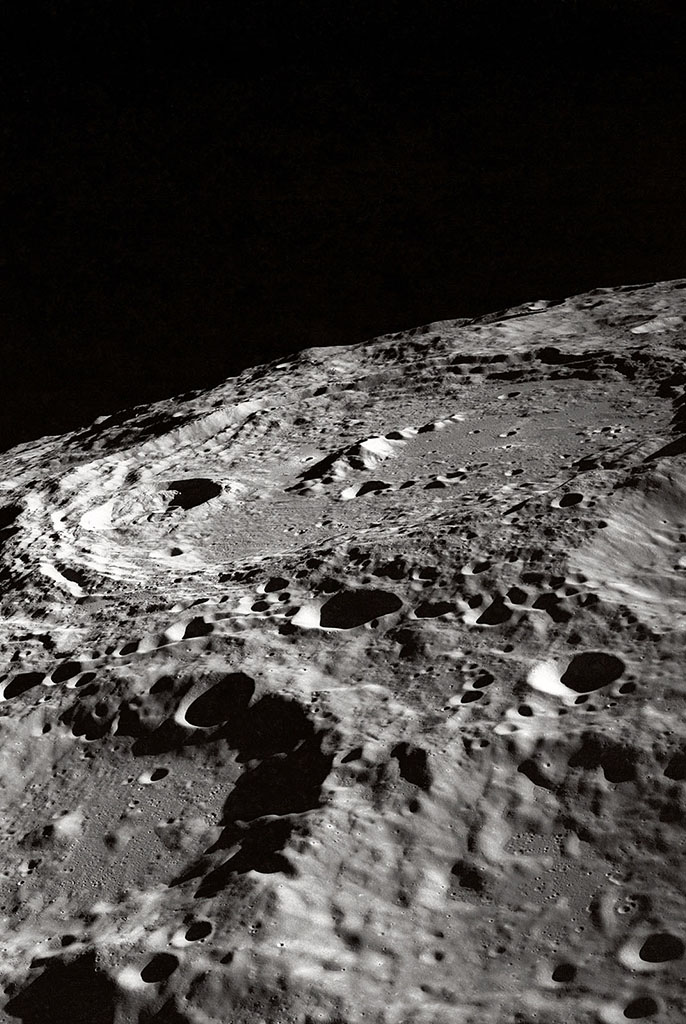
Science says one thing, but your eyes tell you the Earth looks pretty darn flat.
sharply_done/E+ via Getty Images
1. Experience as a filter
First, I propose that experience can act as a filter. It determines which extraordinary beliefs can successfully spread throughout a population.
Take the flat Earth theory as an example. We know with absolute certainty that it’s…