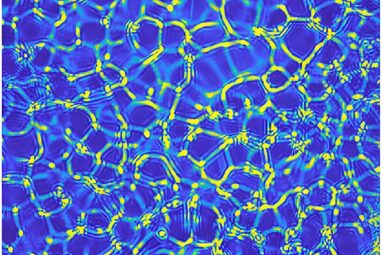
An altogether new convective instability has been predicted and experimentally discovered, 140 years after Lord Rayleigh. Convective instabilities are of...
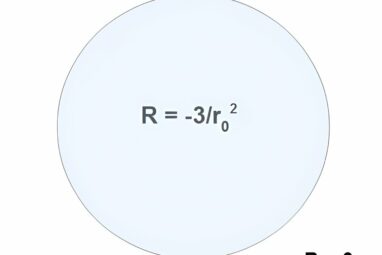
Neutron stars are timelike matter with a maximum mass of about 2.34 solar masses in quantum chromodynamics (the strong color...
The foundation of nearly all quantum information applications—such as computation and communication—rely on the quantum properties of superposition and entanglement....
Typically, electrons are free agents that can move through most metals in any direction. When they encounter an obstacle, the...
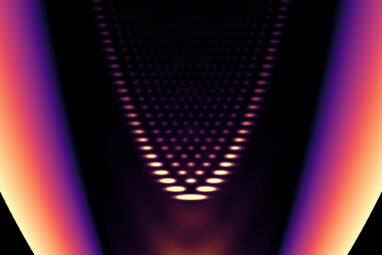
Physicists at the University of Bonn and the University of Kaiserslautern-Landau (RPTU) have created a one-dimensional gas out of light....
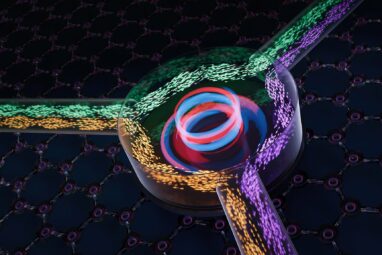
Researchers at ETH Zurich have managed to make sound waves travel only in one direction. In the future, this method...
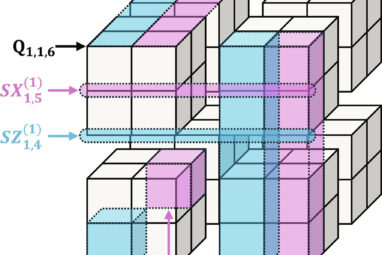
In work published in Science Advances, Hayato Goto from the RIKEN Center for Quantum Computing in Japan has proposed a...
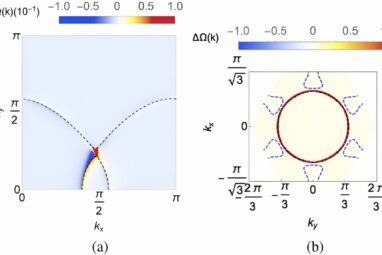
A new study led by Rice University’s Qimiao Si has unveiled a new class of quantum critical metal, shedding light...
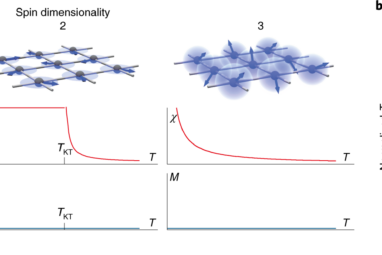
A team of physicists from The University of Hong Kong (HKU), Texas Tech University (TTH), and the University of Michigan...
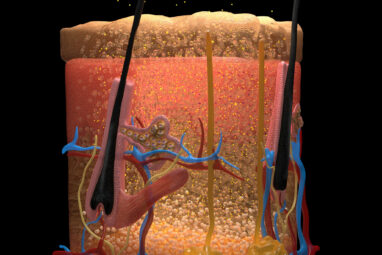
Researchers have developed a new way to see organs within a body by rendering overlying tissues transparent to visible light....
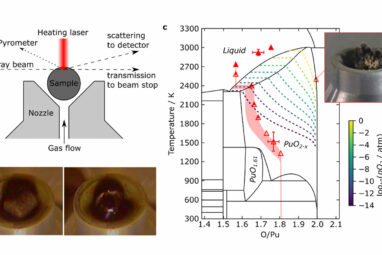
The 2011 accident at the Fukushima-Daiichi plant in Japan inspired extensive research and analysis that elevated nuclear energy into a...
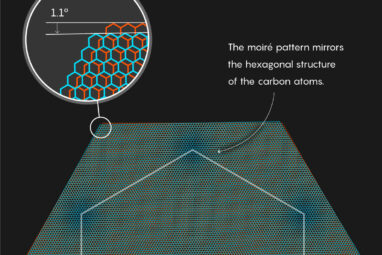
Magnetic fields can engineer flat bands in twisted graphene layers to create a new playground for exotic physics, RIKEN physicists...