

Princeton researchers have created an artificial intelligence (AI) tool to predict the behavior of crystalline materials, a key step in...
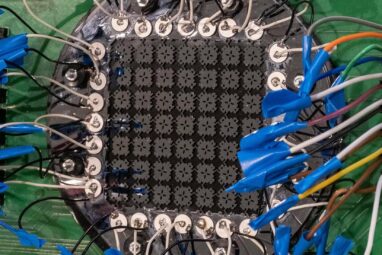
Sensors that monitor infrastructure, such as bridges or buildings, or are used in medical devices, such as prostheses for the...

Social robots can help us with many things: teaching, learning, caring. Because they’re designed to interact with humans, they’re designed...
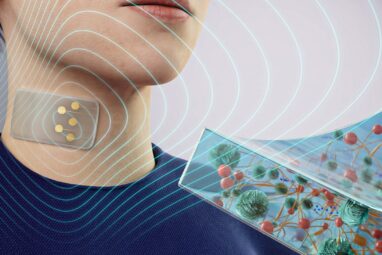
With more than 1,000 nerve endings, human skin is the brain’s largest sensory connection to the outside world, providing a...
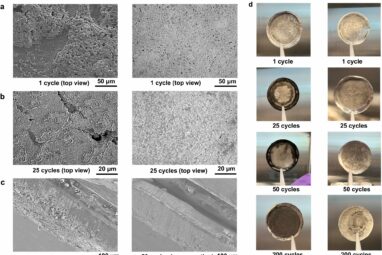
On a mission to build better electric vehicle batteries, chemists at the U.S. Department of Energy’s (DOE) Brookhaven National Laboratory...

High-performance batteries are required for a wide range of applications, and demand for them is growing rapidly. This is why...
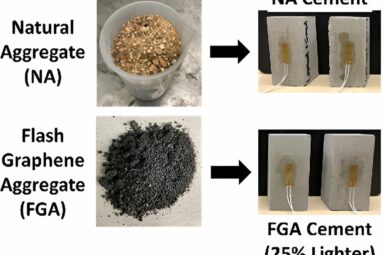
The world’s reliance on concrete, the second most consumed material after water, is leading to an environmental and resource crisis,...
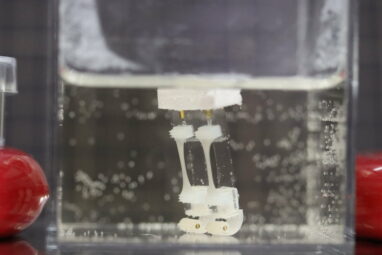
Compared to robots, human bodies are flexible, capable of fine movements, and can convert energy efficiently into movement. Drawing inspiration...
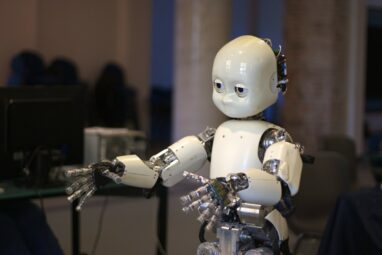
Problems of racial and gender bias in artificial intelligence algorithms and the data used to train large language models like...
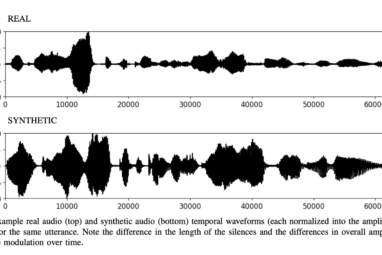
With every passing day, it seems like it is getting harder to trust what you see—and hear—on the internet. Deepfakes...

Like many of us, you might find yourself nodding to a familiar digital doomsday chorus that vibrates through offices and...
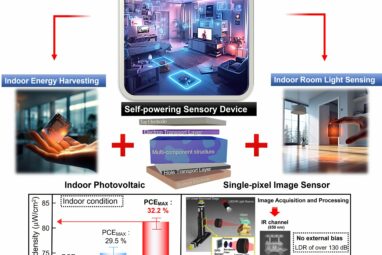
Organic-based optoelectronic technology is increasingly recognized as an energy-efficient solution for low-power indoor electronics and wireless IoT sensors. This is...