
An antibiotic discovered on Easter Island in 1964 sparked a billion-dollar pharmaceutical success story. Yet the history told about this “miracle drug” has completely left out the people and politics that made its discovery possible.
Named after the island’s Indigenous name, Rapa Nui, the drug rapamycin was initially developed as an immunosuppressant to prevent organ transplant rejection and to improve the efficacy of stents to treat coronary artery disease. Its use has since expanded to treat various types of cancer, and researchers are currently exploring its potential to
treat diabetes,
neurodegenerative diseases and
even aging. Indeed, studies raising rapamycin’s promise to extend lifespan or combat age-related diseases seem to be published almost daily. A PubMed search reveals over 59,000 journal articles that mention rapamycin, making it one of the most talked-about drugs in medicine.
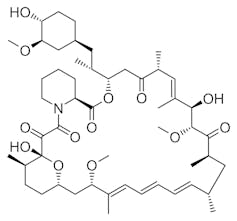
Chemical structure of rapamycin.
Fvasconcellos/Wikimedia Commons
At the heart of rapamycin’s power lies its ability to inhibit a protein called the target of rapamycin kinase, or TOR. This protein acts as a master regulator of cell growth and metabolism. Together with other partner proteins, TOR controls how cells respond to nutrients, stress and environmental signals, thereby influencing major processes such as protein synthesis and immune function. Given its central role in these fundamental cellular activities, it is not surprising that cancer, metabolic disorders and age-related diseases are linked to the malfunction of TOR.
Despite being so ubiquitous in science and medicine, how rapamycin was discovered has remained largely unknown to the public. Many in the field are aware that scientists from the pharmaceutical company Ayerst Research Laboratories isolated the molecule from a soil sample containing the bacterium Streptomyces hydroscopicus in the mid-1970s. What is less well known is that this soil sample was collected as part of a Canadian-led mission to Rapa Nui in 1964, called the Medical Expedition to Easter Island, or METEI.
As a scientist who built my career around the effects of rapamycin on cells, I felt compelled to understand and share the human story underlying its origin. Learning about historian Jacalyn Duffin’s work on METEI completely changed how I and many of my colleagues view our own field.
Unearthing rapamycin’s complex legacy raises important questions about systemic bias in biomedical research and what pharmaceutical companies owe to the Indigenous lands from which they mine their blockbuster discoveries.
History of METEI
The Medical Expedition to Easter Island was the brainchild of a Canadian team comprised of surgeon Stanley Skoryna and bacteriologist Georges Nogrady. Their goal was to study how an isolated population adapted to environmental stress, and they believed the planned construction of an international airport on Easter Island offered a unique…