
Relationships can feel like both a blessing and the bane of your existence, a source of joy and a source of frustration or resentment. At some point, each of us is faced with a clingy child, a dramatic friend, a partner who recoils at the first hint of intimacy, a volatile parent or a controlling boss — in short, a difficult relationship.
As a psychology professor and relationship scientist, I’ve spent countless hours observing human interactions, in the lab and in the real world, trying to understand what makes relationships work – and what makes them feel utterly intractable.
Recently, I teamed up with psychologist Rachel Samson, who helps individuals, couples and families untangle difficult dynamics in the therapy room. In our new book, “Beyond Difficult: An attachment-based guide for dealing with challenging people,” we explore the roots of difficult behavior and evidence-based strategies for making difficult relationships more bearable.
So what’s really going on beneath the surface of “difficult” behavior? And more to the point, what can you do about it?
Difficult interactions can have deep roots
When a conversation with a co-worker goes sideways or a phone call with a friend goes off the rails, it’s easy to assume the issue stems from the situation at hand. But sometimes, big emotions and reactions have deeper roots. Difficult interactions often result from differences in temperament: your biologically based style of emotional and behavioral responses to the world around you.
People with a sensitive temperament react more strongly to stress and sensory experiences. When overwhelmed, they may seem volatile, moody or rigid — but these reactions are often more about sensory or emotional overload than malice. Importantly, when sensitive children and adults are in a supportive environment that “fits” their temperament, they can thrive socially and emotionally.

Attachment style traces back to how you interacted with your earliest caregivers.
KDP/Moment via Getty Images
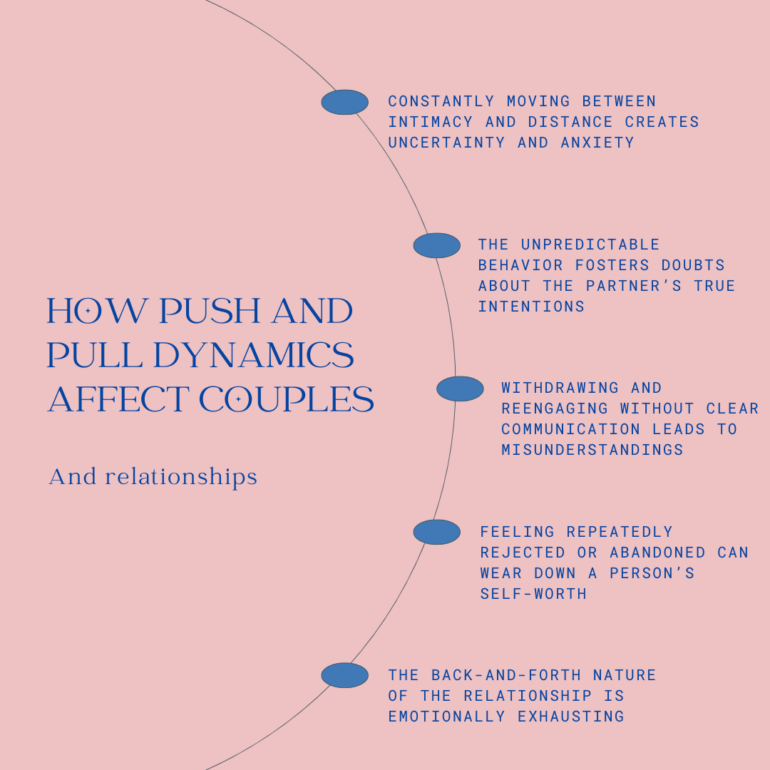
Beyond neurobiology, one of the most common threads underlying difficult relationships is what psychologists call insecure attachment. Early experiences with caregivers shape the way people connect with others later in life. Experiences of inconsistent or insensitive care can lead you to expect the worst of other people, a core feature of insecure attachment.

People with insecure attachment may cling, withdraw, lash out or try to control others — not because they want to make others miserable, but because they feel unsafe in close relationships. By addressing the underlying need for emotional safety, you can work toward more secure relationships.
Managing difficult emotions
In challenging interactions, emotions can run high — and how you deal with those emotions can make or break a relationship.
Research has shown that people with sensitive temperament, insecure attachment or a history of trauma…