
As a clinician and researcher in cardiac rehabilitation, I’ve learned that the most important tool in our work is not a stethoscope or a treadmill—it is our ability to listen. Not just to the words patients say, but to the nuances of their experiences, fears, and hopes after a heart event. Listening carefully is what allows us to understand recovery in a holistic way, and it is at the heart of qualitative research in health care.
Traditional clinical metrics—blood pressure, cholesterol, exercise capacity—are critical, yet they tell only part of the story. Qualitative research gives patients a voice. Through interviews, focus groups, and open-ended surveys, we uncover what truly matters to people living with cardiovascular disease: their anxieties about daily life, the small victories that keep them motivated, and the barriers that may prevent them from completing rehabilitation programs. These insights often remain invisible in quantitative data, yet they are essential for designing programs that genuinely support recovery.
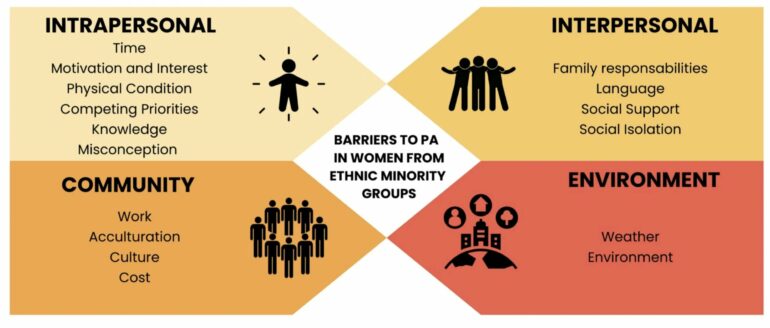
Recent research highlights the importance of this approach. For example, our newest research, “Barriers to physical activity in women from ethnic minority groups: a systematic review,” published in BMC Women’s Health, synthesized findings from 64 studies involving 5,555 women from ethnic minority groups across 12 countries.
Guided by the social-ecological model, the review identified individual, interpersonal, and environmental barriers to physical activity, including time constraints, cultural expectations, family responsibilities, and unsafe environments. Importantly, the majority of studies—85.9%—employed qualitative methods, demonstrating how listening to lived experiences reveals challenges that are often missed in quantitative research.
By centering the voices of women from diverse cultural and social contexts, the review underscores the need for interventions that are both culturally sensitive and responsive to real-world circumstances.
In cardiac rehabilitation, these lessons are directly applicable. Listening to patients’ stories allows us to understand not only their physical limitations but also the social, cultural, and emotional factors shaping recovery. Studies consistently show that programs incorporating patient perspectives foster higher engagement, better adherence to lifestyle changes, and greater confidence in managing health.
What struck me most about these findings is the power of listening. Every patient story contains insights that can improve care—not through generic protocols, but through empathetic understanding. As clinicians, researchers, and educators, we must pause, ask, and truly hear. It is in these moments of dialog that innovation in patient education and rehabilitation is born.
Cardiac rehabilitation is not only about restoring physical health—it is about rebuilding confidence, hope, and a sense of control. Qualitative research reminds us that recovery is deeply personal, and effective programs are those that recognize patients as experts in their own experiences. Listening is the first step toward creating meaningful change.
If we want to tell a good story about cardiac recovery, we must start by listening. Only then can we write a narrative that matters—not only to science, but to the people whose lives depend on it.
This story is part of Science X Dialog, where researchers can report findings from their published research articles. Visit this page for information about Science X Dialog and how to participate.

More information:
Ana Paula Delgado Bomtempo Batalha et al, Barriers to physical activity in women from ethnic minority groups: a systematic review, BMC Women’s Health (2025). DOI: 10.1186/s12905-025-03877-y
Dr. Gabriela Melo Ghisi is an Affiliate Scientist at the KITE Research Institute, specializing in patient education in chronic disease management and global access to cardiac rehabilitation (CR). Her research focuses on CR development and implementation, with emphasis on availability, affordability, health system capacity, and strategies to enhance access among underserved groups such as women and ethnic minorities.
Citation:
Cardiac rehabilitation: You cannot tell a good story if you do not know how to listen (2025, September 18)