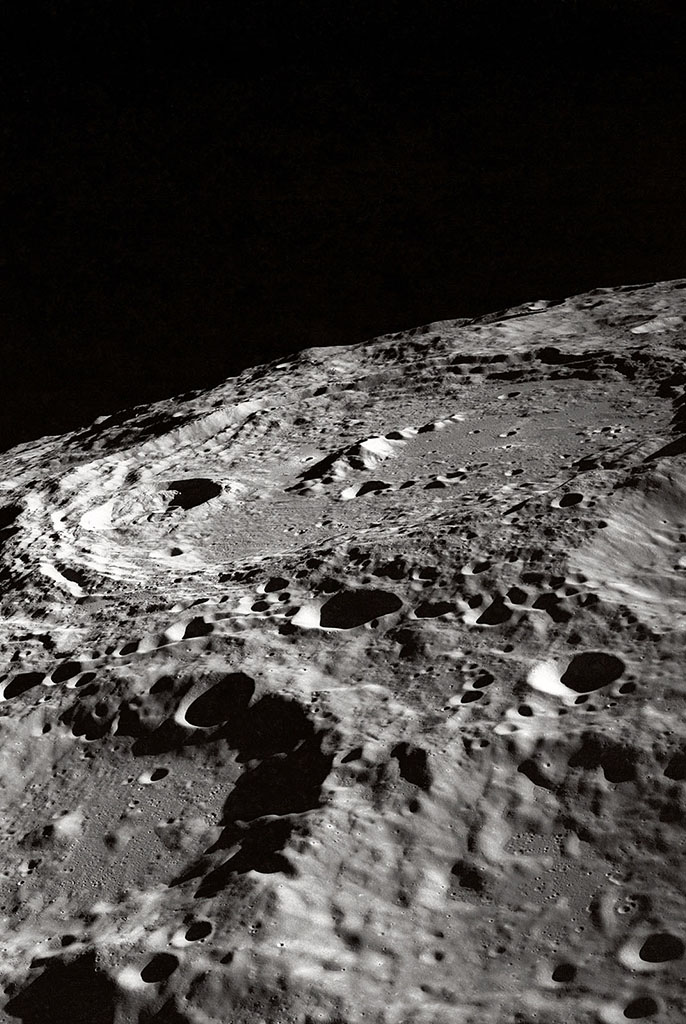
Golden oyster mushrooms, with their sunny yellow caps and nutty flavor, have become wildly popular for being healthy, delicious and easy to grow at home from mushroom kits.
But this food craze has also unleashed an invasive species into the wild, and new research shows it’s pushing out native fungi.
In a study we believe is the first of its kind, fellow mycologists and I demonstrate that an invasive fungus can cause environmental harm, just as invasive plants and animals can when they take over ecosystems.
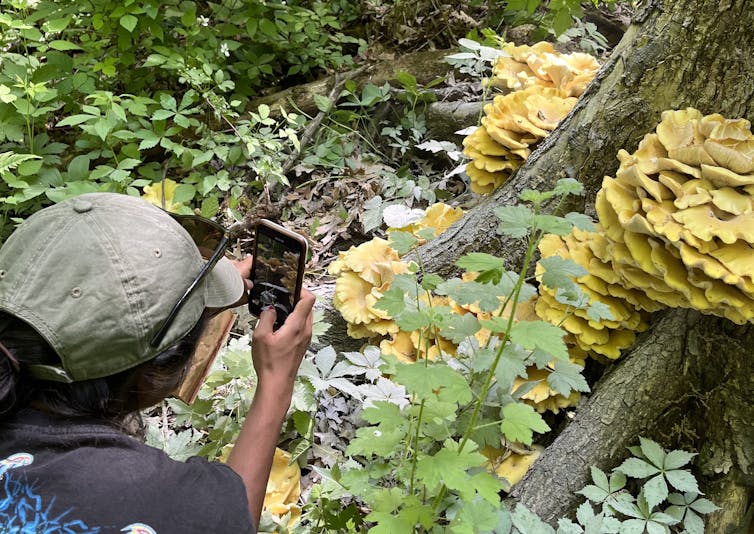
A scientist documents golden oyster mushrooms growing wild in a Wisconsin forest, where these invasive fungi don’t belong. DNA tests showed the species had pushed out other native fungi.
Aishwarya Veerabahu
Native mushrooms and other fungi are important for the health of many ecosystems. They break down dead wood and other plant material, helping it decay. They cycle nutrients such as carbon and nitrogen from the dead tissues of plants and animals, turning it into usable forms that enter the soil, atmosphere or their own bodies. Fungi also play a role in managing climate change by sequestering carbon in soil and mediating carbon emissions from soil and wood.
Their symbiotic relationships with other organisms also help other organisms thrive. Mycorrhizal fungi on roots, for example, help plants absorb water and nutrients. And wood decay fungi help create wooded habitats for birds, mammals and plant seedlings.
However, we found that invasive golden oyster mushrooms, a wood decay fungus, can threaten forests’ fungal biodiversity and harm the health of ecosystems that are already vulnerable to climate change and habitat destruction.
The dark side of the mushroom trade
Golden oyster mushrooms, native to Asia, were brought to North America around the early 2000s. They’re part of an international mushroom culinary craze that has been feeding into one of the world’s leading drivers of biodiversity loss: invasive species.
As fungi are moved around the world in global trade, either intentionally as products, such as kits people buy for growing mushrooms at home, or unintentionally as microbial stowaways along with soil, plants, timber and even shipping pallets, they can establish themselves in new environments.

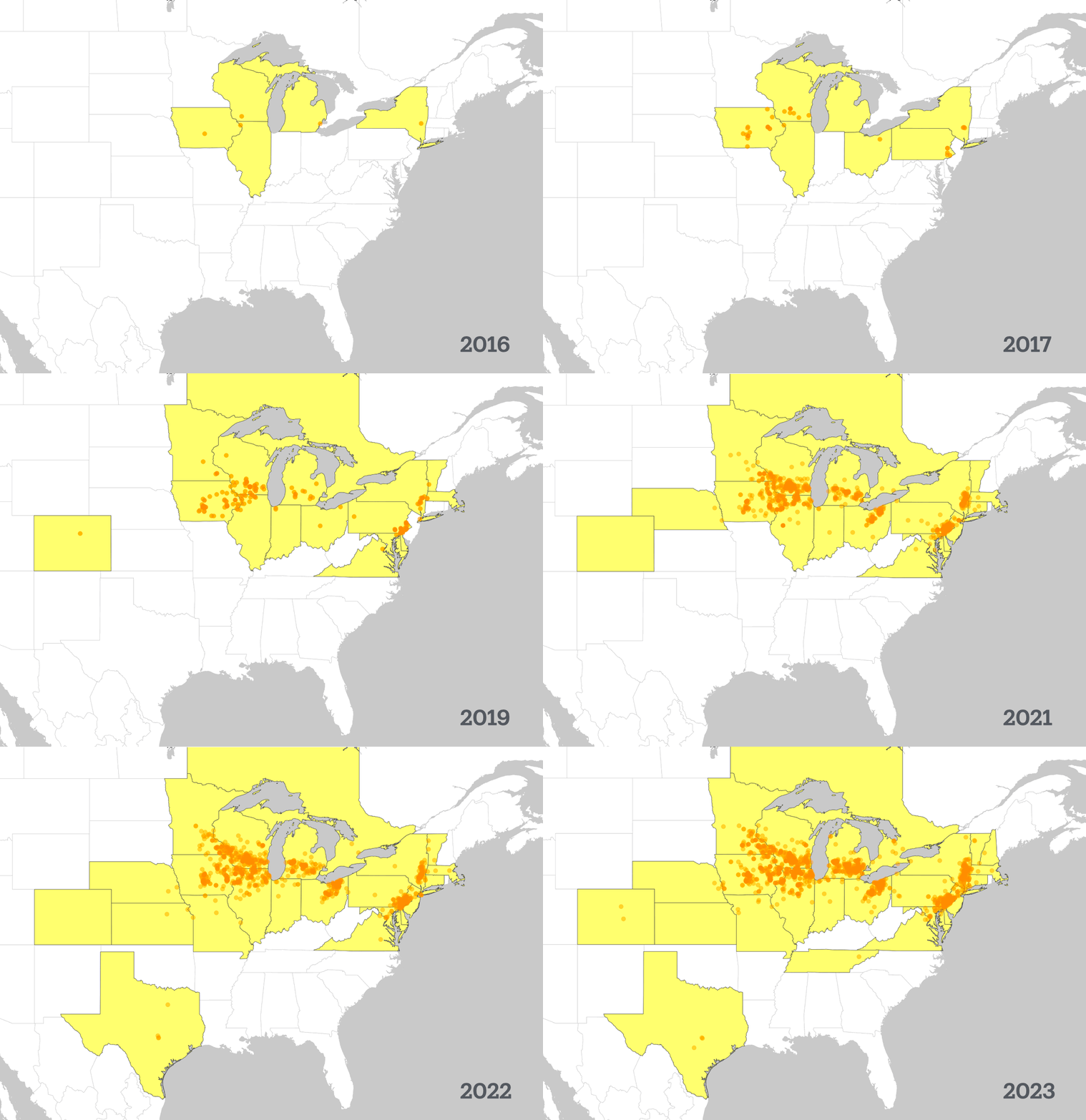
Where golden oyster mushrooms, an invasive species in North America, have been reported in the wild, including in forests, parks and neighborhoods. Red dots indicate new reports each year. States in yellow have had a report at some point. Aishwarya Veerabahu
Many mushroom species have been cultivated in North America for decades without becoming invasive species threats. However, golden oyster mushrooms have been different.
No one knows exactly how golden oyster mushrooms escaped into the wild, whether from a grow kit, a commercial mushroom farm or outdoor logs inoculated with golden oysters – a home-cultivation technique where mushroom mycelium is placed into logs to colonize…