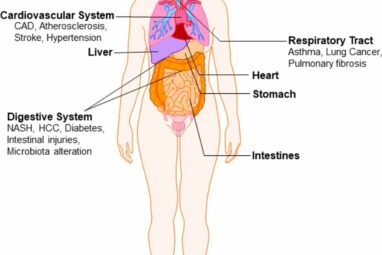
Fine air particles, less than 2.5 micrometers in diameter (PM2.5), are a major air pollutant linked to various health problems....
Researchers at Tampere University have discovered that sulfur trioxide can form products other than sulfuric acid in the atmosphere by...

Water scarcity will intensify with climate and socioeconomic change, disproportionately impacting populations located in the Global South, concludes a new...
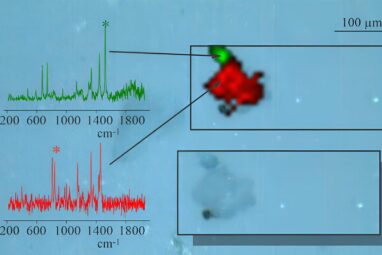
Chemicals within microplastics that are found in our world’s oceans and waterways, and in drinking water sources, remain of concern...

Cigarette smoke has been studied for years, revealing a multitude of contaminants, including toxic metals. But exactly which of those...

Replacing diesel school buses with electric school buses may yield up to $247,600 in climate and health benefits per individual...

The latest findings from the Global Burden of Diseases, Injuries, and Risk Factors Study (GBD) 2021, published in The Lancet,...

Spending time in nature is good for us. Studies have shown that contact with nature can lift our well-being by...
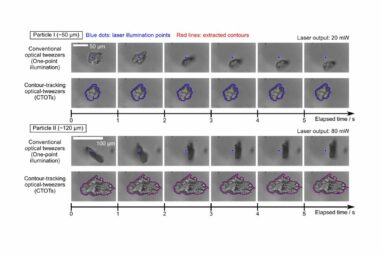
Researchers have developed new optical tweezers that can stably trap particles that are large—about 0.1 mm—and irregularly shaped. While conventional...
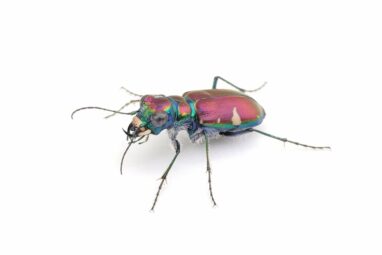
Bats, as the main predator of night-flying insects, create a selective pressure that has led many of their prey to...

Discharge from ships with so-called scrubbers cause great damage to the Baltic Sea. A new study from Chalmers University of...
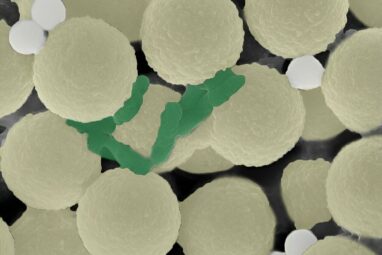
When old food packaging, discarded children’s toys and other mismanaged plastic waste break down into microplastics, they become even harder...