
In research published in the journal Science experts addressed setting standards for three key indoor pollutants—carbon dioxide (CO2), carbon monoxide...
The soil in high-elevation, cooler, drier tropical forests in the Colombian Andes stores more carbon from fires than lower, warmer...
Parts of New Orleans and its surrounding wetlands are gradually sinking, and while most of the city remains stable, a...
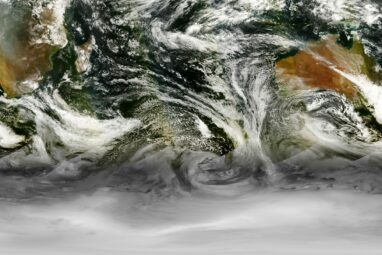
Clouds can cool or warm the planet’s surface, a radiative effect that contributes significantly to the global energy budget and...
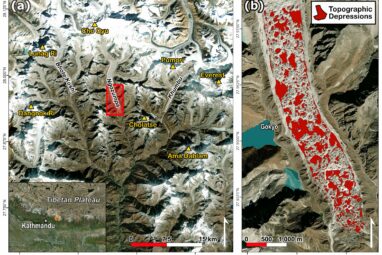
by Ryan M. Strickland One in five glaciers on Earth are covered with a layer of rocky debris. The presence...
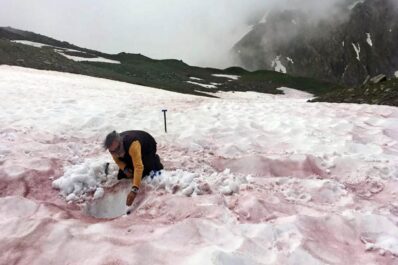
Red snow is a unique phenomenon caused by blooms of red algae that live on the surface of snow. Now,...
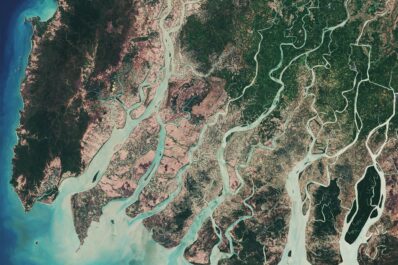
The way rivers function is significantly affected by how much sediment they transport and where it gets deposited. River sediment—mostly...
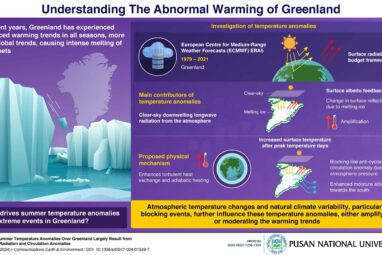
Global warming, driven by human activities, has led to rising average temperatures worldwide. However, Greenland has been warming at an...
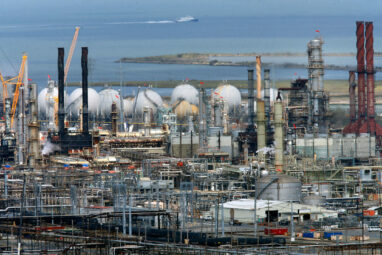
As rising seas threaten to flood hundreds of toxic sites along the California coast, the risk of flood-related contamination will...

The most pristine parts of the Amazon rainforest devoid of direct human contact are being impacted by human-induced climate change,...
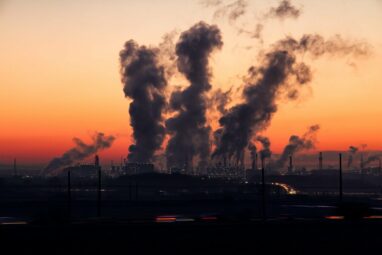
In the future, an increase in turbulence could alleviate the intensity of near-surface air pollution
by Miriam Stackpole Dahl, Centre for International Climate and Environmental Research (CICERO) Near-surface air pollution is a serious health hazard...
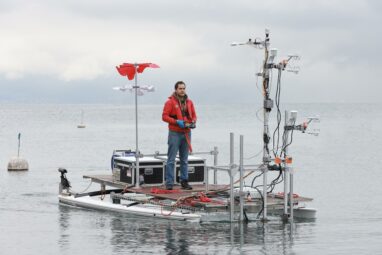
An EPFL researcher has, for the first time, documented slicks—those visually arresting, moving patches of smooth water—and explained what is...