
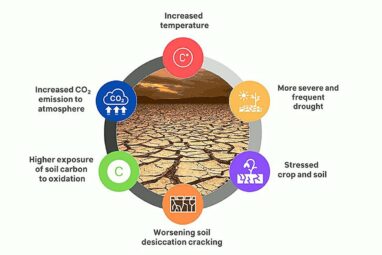
The accuracy of climate models depends on many factors—greenhouse gas emissions from industrial and transportation activity, farm animal “emissions,” urban...
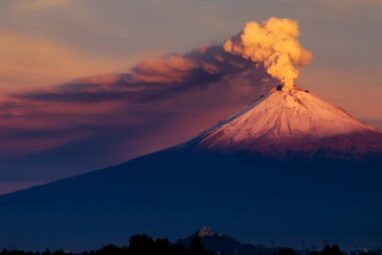
New research suggests that sunlight-blocking particles from an extreme eruption would not cool surface temperatures on Earth as severely as...

Last year, the International Olympic Committee announced that the South Pacific island of Tahiti will host the two-day surfing competition...
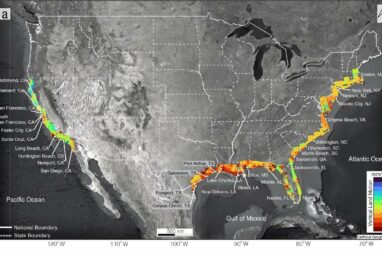
One in 50 people living in two dozen coastal cities in the United States could experience significant flooding by 2050,...
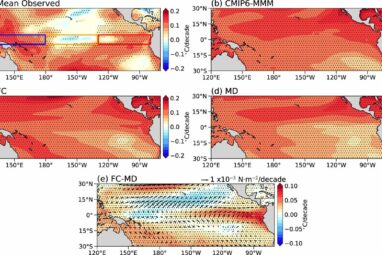
Getting climate models to mimic real-time observations when it comes to warming is critical—small discrepancies can lead to misunderstandings about...

Eighty-five percent of the Earth’s air resides in the lowest layer of its atmosphere, or troposphere. Yet, major gaps remain...
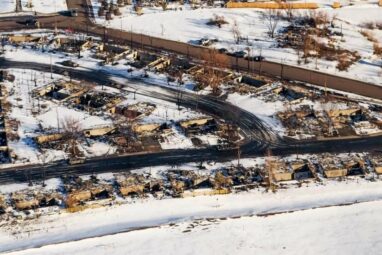
In the weeks following the devastating 2021 Marshall Fire, researchers from CU Boulder sifted through burned and unburned areas to...
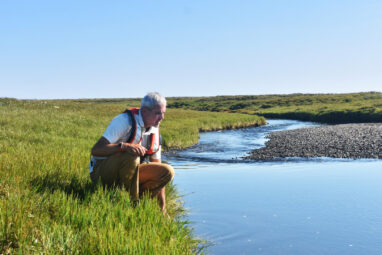
Scientists at the University of Massachusetts Amherst recently combined satellite data, field observations, and sophisticated numerical modeling to paint a...
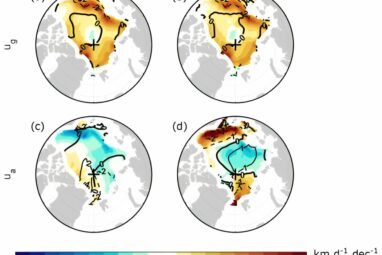
Will ice floating in the Arctic Ocean move faster or slower over the coming decades? The answer to this question...
How does a river breathe? The answer could lead to a better understanding of the global carbon cycle
Take a deep breath. Pay attention to how air moves from your nose to your throat before filling your lungs...
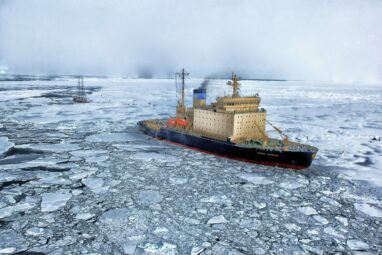
The Arctic could see summer days with practically no sea ice as early as the next couple of years, according...
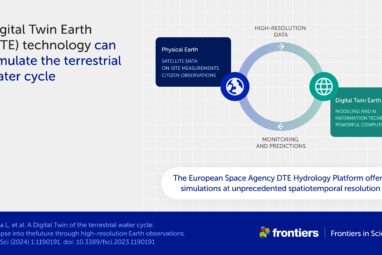
The water cycle looks simple in theory—but human impacts, climate change, and complicated geography mean that in practice, floods and...

