The impact of hurricanes when they travel over land, or when they affect ships or oil-drilling platforms, are quite well...
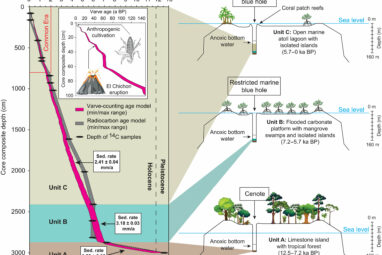
Using a sediment core taken from the Great Blue Hole off the coast of the Central American state of Belize,...

Successful test results of a new machine learning (ML) technique developed at Georgia Tech could help communities prepare for extreme...
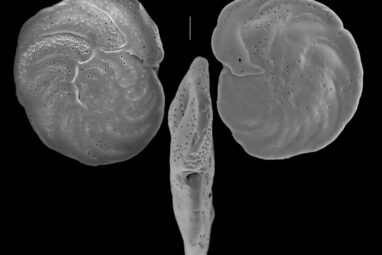
Between 18,000 and 11,000 years ago, the amount of carbon dioxide in the atmosphere suddenly shot up. This caused rapid...
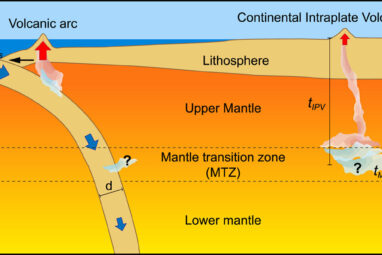
The mantle transition zone (MTZ), which occurs 410–670 kilometers below Earth’s surface, may store several oceans’ worth of water. This...
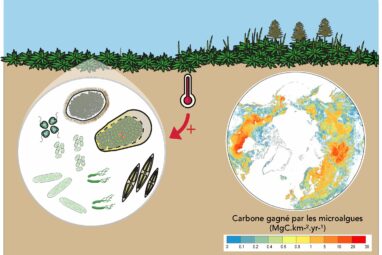
According to a predictive model developed by a CNRS researcher and his European colleagues, the microalgae present in peat bogs...
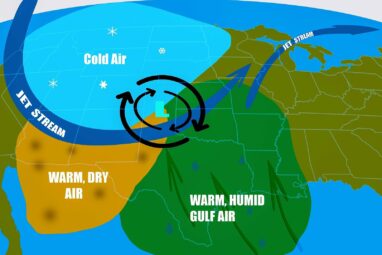
A new AI weather prediction system, Aardvark Weather, can deliver accurate forecasts tens of times faster and using thousands of...
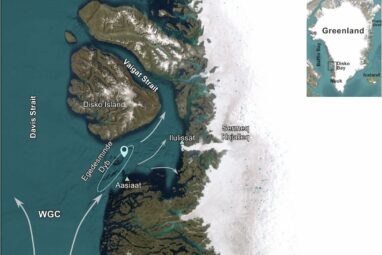
By coring the seabed at 850 m water depth in Disko Bay off Greenland’s west coast, researchers from the University...
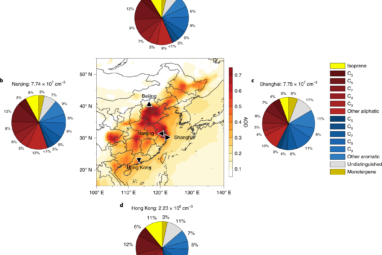
Anthropogenic organic aerosols are carbon-containing particles emitted by humans into the air, which are classified as particulate matter. They pose...
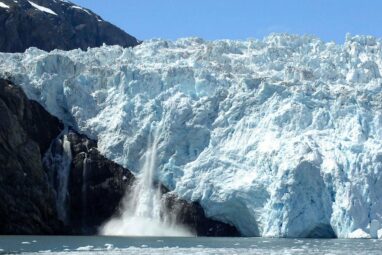
Scientists from the University of Sheffield will warn policymakers that the shrinking glaciers of the Andes threaten the water supply...

Greenhouse gas emissions related to pharmaceutical consumption increased by 77% over the past 24 years, according to a Leiden University...
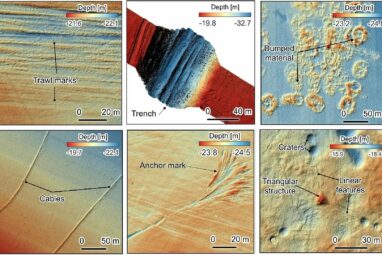
Human use of the marine environment of the Baltic Sea is visible on the seabed and can significantly impact the...