
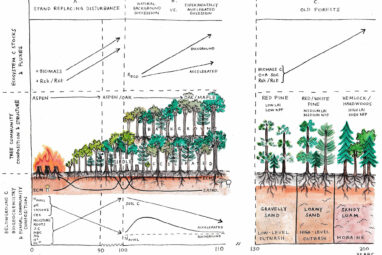
Recent studies have shown that carbon stocks in terrestrial ecosystems are increasing, mitigating around 30% of the CO2 emissions linked...
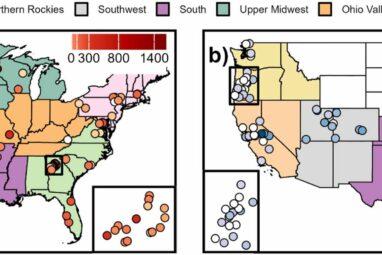
Scientists have unveiled rapid fluctuations in river water temperature across the United States (US) with rivers controlled by dams showing...
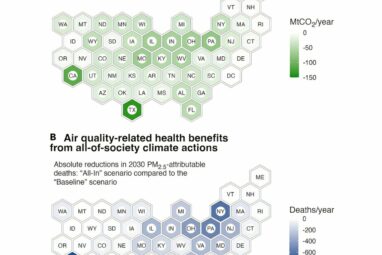
Transitioning to clean energy is not just about reducing carbon emissions—it’s also about saving lives. According to a Princeton-led study,...
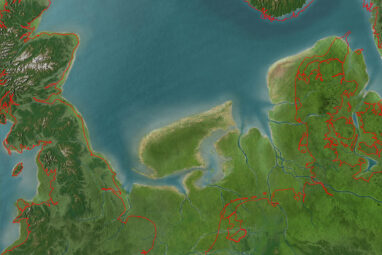
New geological data has given more insight into the rate and magnitude of global sea level rise following the last...

Regulations finalized by the Environmental Protection Agency in 2024 could cut emissions from fossil fuel power generators but leave additional...
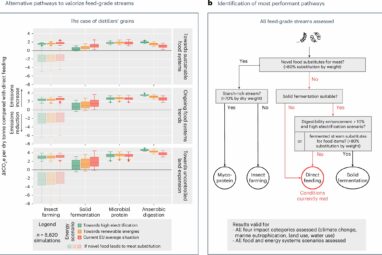
Waste-to-nutrition technologies aim to transform residual organic waste (such as forestry and agricultural residues, manure, green residues and food waste)...

Beyond creating a serene and open atmosphere in urban areas, trees and parks also contribute to human well-being. There are...
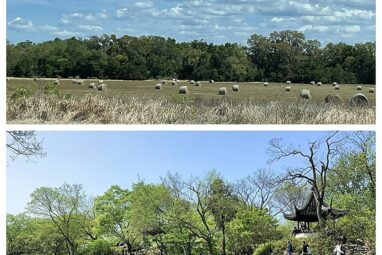
In ancient China, spring rains were called “as precious as oil” for their vital role in nature’s spring revival. Today,...
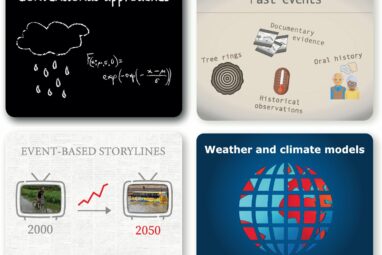
Helping communities predict extreme weather events that have never been recorded in modern history is the focus of a new...

Public officials designing seawalls, levees and other safeguards against rising seas can save money if their solutions are flexible, adapting...
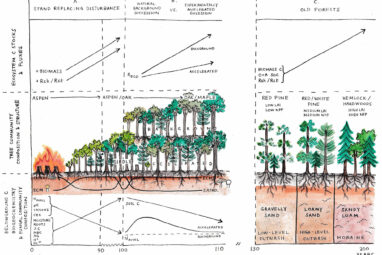
It is commonly assumed that as forest ecosystems age, they accumulate and store (sequester) more carbon. A study based at...

Have you ever heard of—or even seen—red lightning? These are not animated characters but real atmospheric phenomena known as electrical...

