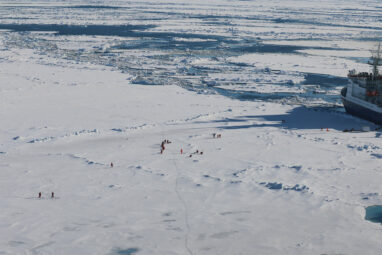
Climate models used by the UN’s IPCC and others to project climate change are not accurately reflecting what the Arctic’s...
A new study has highlighted how and when changes to the environment result in animal-borne disease thresholds being breeched, allowing for a better understanding and increased capacity to predict the risk of transmissions. For...
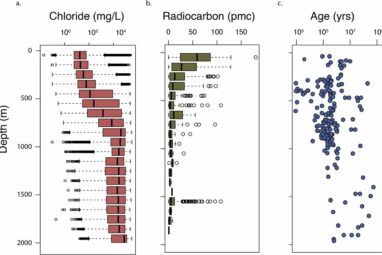
New research out of the University of Saskatchewan (USask)’s Global Institute for Water Security (GIWS) is calling on hydrological researchers...
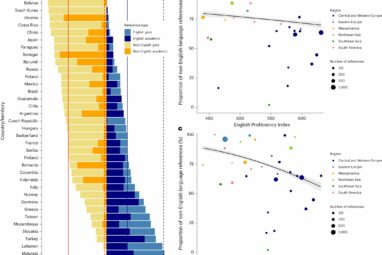
Research in languages other than English is critically important for biodiversity conservation and is shockingly under-utilized globally, according to an...
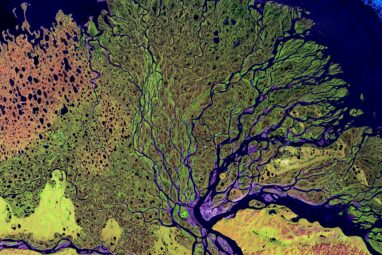
The livelihoods of millions of people who live in river deltas, among the world’s most productive lands, are at risk....
More than 85% of the world’s bird, mammal, and amphibian species live in mountains, particularly in forest habitats, but researchers...
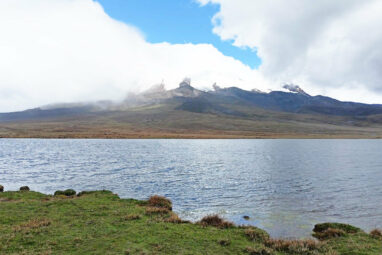
A new scientific study by researchers from the University of Liège (Belgium) shows that rivers in the Andean mountains contribute...
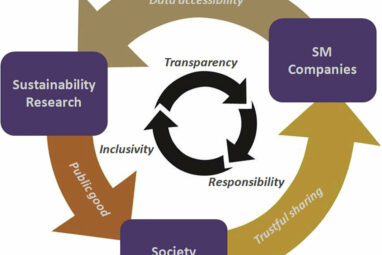
With more than half of the world’s population active on social media networks, user-generated data has proved to be fertile...
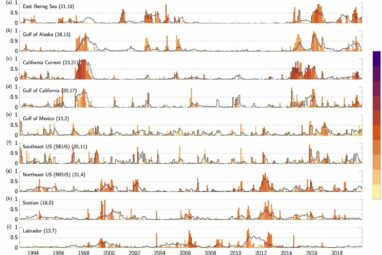
The 2013-2016 marine heat wave known as “The Blob” warmed a vast expanse of surface waters across the northeastern Pacific,...

A detailed “body scan” of Malaspina Glacier, one of Alaska’s most iconic glaciers, revealed that its bulk lies below sea...

Air pollution is a major public health problem: The World Health Organization has estimated that it leads to over 4...
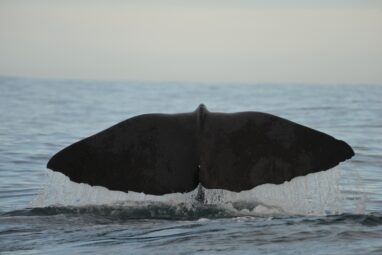
Underwater waves deep below the ocean’s surface—some as tall as 500 meters—play an important role in how the ocean stores...