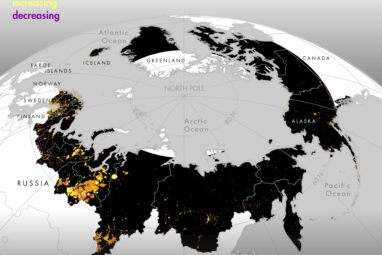
More than 800,000 km2 of the Arctic were affected by human activity in 2013, according to an analysis of satellite-derived...
Microbes in the environment, not fossil fuels, have been driving the recent surge in methane emissions globally, according to a...
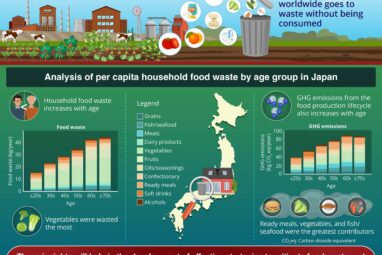
Producing food and getting it to people’s plates entails a significant expenditure of energy and resources. Unfortunately, approximately one third...
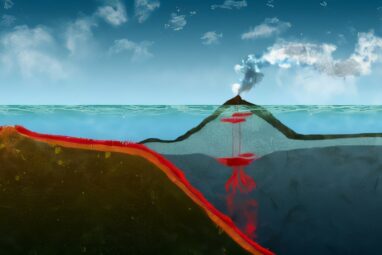
Bringing a novel approach to a classic problem, researchers have revealed how changes in ocean chemistry over the past 2...
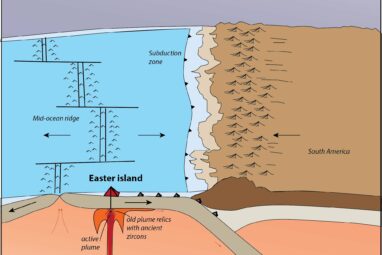
Geography textbooks describe the Earth’s mantle beneath its plates as a well-mixed viscous rock that moves along with those plates...
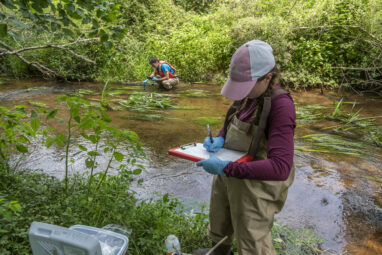
Fish can accumulate high levels of per- and polyfluoroalkyl substances (PFAS), even far from sources of contamination, according to a...
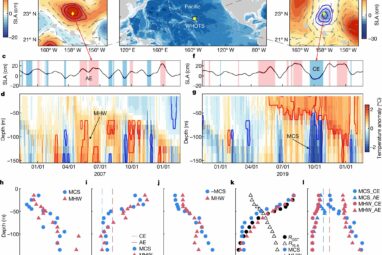
While marine heat waves (MHWs) have been studied at the sea surface for more than a decade, new research published...
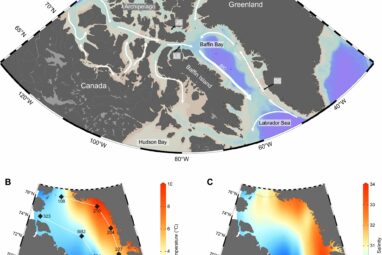
As the planet continues to warm and the ramifications of human-driven climate change continue to amplify, the need to find...
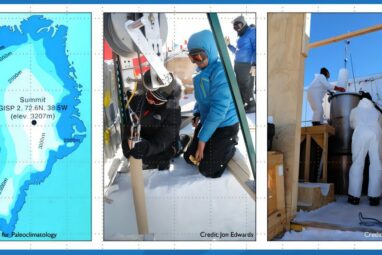
ANSTO scientists, Dr. Andrew Smith, Dr. Quan Hua and Dr. Bin Yang have contributed to a paper that elucidates how...
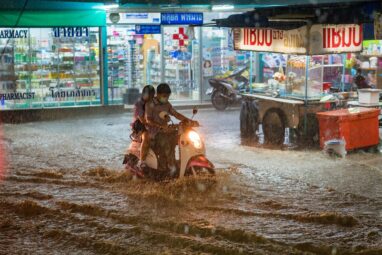
An international study involving people from 11 countries has shown that most people, including those in areas most affected by...
by Leibniz-Zentrum für Agrarlandschaftsforschung (ZALF) e.V. In a new study, researchers found that increasing the calcium content in soil significantly...
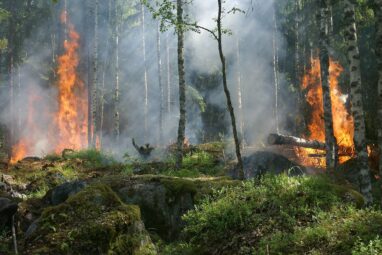
A major new study reveals that carbon dioxide (CO2) emissions from forest fires have surged by 60% globally since 2001,...