
A newly discovered protein from Earth’s toughest animal is inspiring breakthrough therapies for cancer and cardiovascular disease.
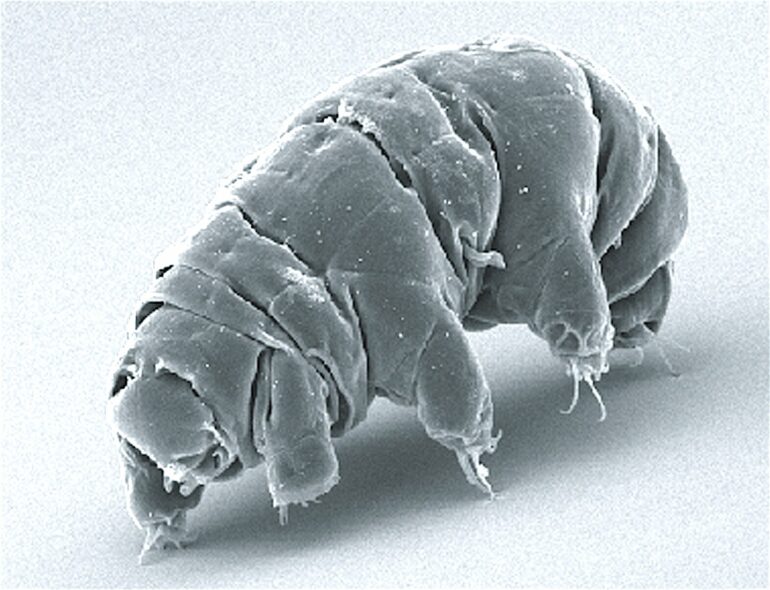
Tardigrades, often called water bears or moss piglets, are microscopic creatures that can survive just about anything: boiling heat, freezing cold and crushing pressure. In fact, tardigrades are the only known animal to survive in outer space. They can also endure radiation levels up to 2,000 times higher than what human cells can tolerate. Naturally, scientists have long wondered: How do they do it?
In 2016, researchers uncovered one of the tardigrade’s secrets: a gene with a sequence unlike any other known to exist in nature that makes a protein found only in tardigrades. When they introduced this protein into human cells, those cells also became more resistant to radiation. The protein was named damage suppressor, or Dsup, because it helps protect DNA – the blueprint for life – from damage.
Since then, researchers around the world have been trying to figure out exactly how Dsup works. As a biochemist studying Dsup, my goal is to uncover how this protein functions and one day use these insights to design new therapies that protect human cells from DNA damage.
How Dsup protects tardigrade DNA
Scientists have proposed several explanations for Dsup’s remarkable ability to protect DNA from radiation. However, these models have varying levels of experimental support, and no single explanation has gained broad consensus from the field.
In my recent work, I found that Dsup interacts strongly with DNA. It clings tightly to DNA – not just at one spot of the molecule but along its entirety. Dsup doesn’t have a fixed shape. Instead, it behaves more like a spaghetti noodle in water, constantly shifting, bending and adopting many different shapes. When it binds to DNA, it causes the strands to slightly unwind, like a zipper being loosened. This gentle unwinding may make DNA less susceptible to damage when exposed to radiation.
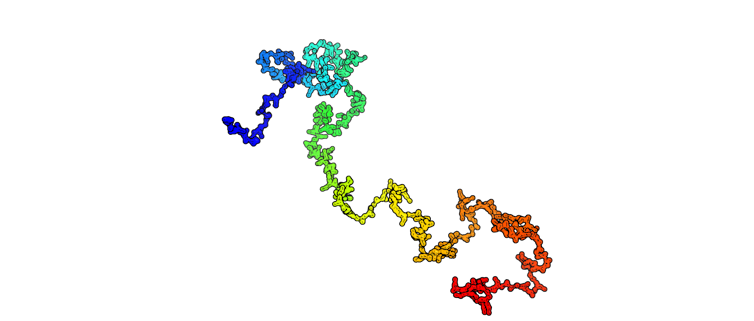
Structural snapshot of Dsup.
Tyler Woodward, CC BY-SA
Some scientists instead believe Dsup acts like a shield. In this model, Dsup coats and physically blocks radiation from striking DNA. Others think it boosts the cell’s repair machinery, fixing damage before it causes detrimental effects.
In fact, it’s possible many of these models could be true at the same time. Since Dsup protects against many types of radiation – as well as the toxic byproducts created from radiation damage – it’s likely this mysterious protein has multiple functions.

Understanding Dsup could one day help people better protect their own cells – bringing a bit of the tardigrade’s extraordinary resilience to human health.
Using Dsup to advance medicine
Scientists are exploring whether Dsup could be used in medicine, especially in diseases where DNA damage plays a major role.
Because nearly all cancers involve DNA damage, some researchers think…

