
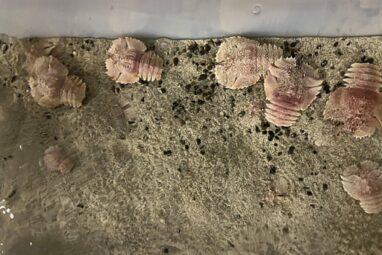
Their dragon-like appearance has earned lobsters the moniker “dragons of the sea.” It is one reason why they are a...

New research from the University of Wisconsin–Madison decodes the evolutionary pathway of regulatory proteins, the molecules that help control gene...
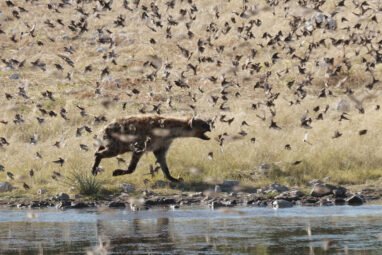
Spotted hyenas are known for hunting (or scavenging) larger mammals such as antelopes and occasionally feed on smaller mammals and...
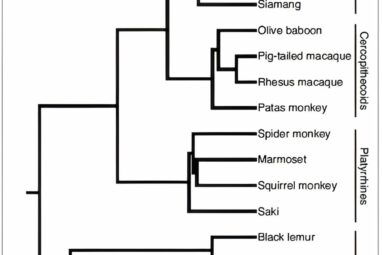
An interdisciplinary team of researchers led by biologists at the University of Massachusetts Amherst recently published the results of a...
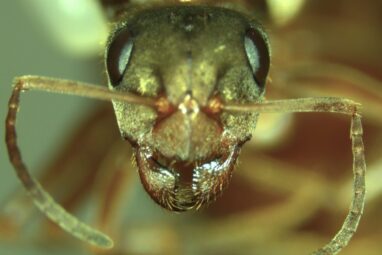
An ant colony is sustained through complex social dynamics, with each member—the queen, males and workers (sterile females)—contributing to the...
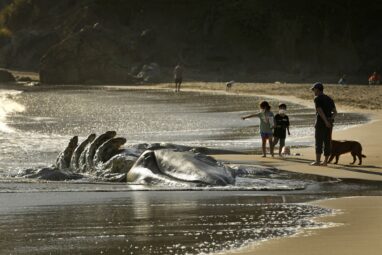
When large numbers of gray whales began washing up along North America’s Pacific Coast nearly six years ago, marine scientists...
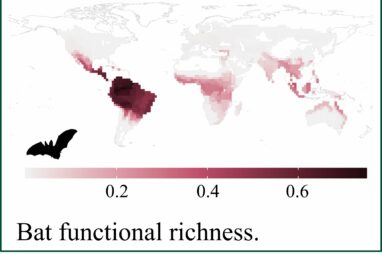
A new study led by Michigan State University researcher Peter Williams sheds light on the profound influence of deep geographic...
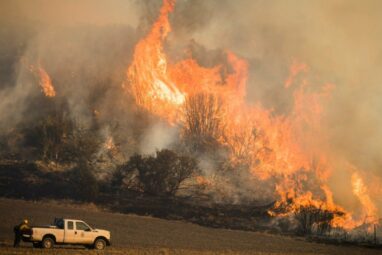
A new study using NASA satellite data reveals how drought affects the recovery of western ecosystems from fire, a result...
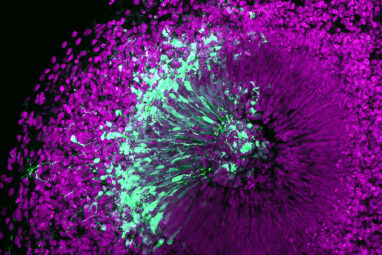
What makes us human? According to neurobiologists it is our neocortex. This outer layer of the brain is rich in...
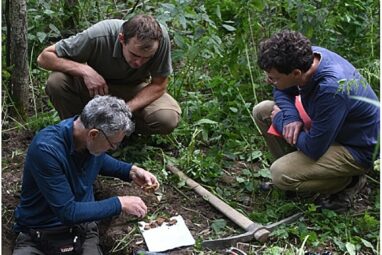
An overlooked and long-neglected type of forest has vast capacity to rebound, enhancing species diversity and resilience to climate change,...
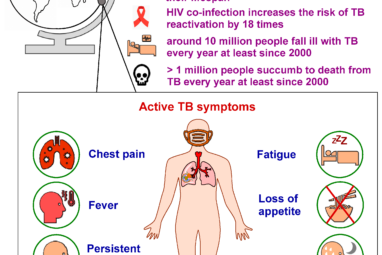
With resistance to chemical antibiotics on the rise, the world needs entirely new forms of antibiotics. A new study published...
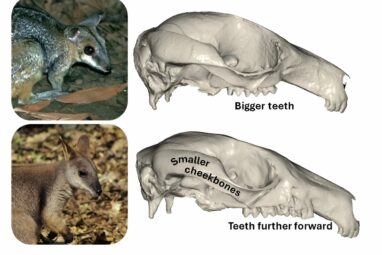
Australian rock-wallabies are “little Napoleons” when it comes to compensating for small size, packing much more punch into their bite...

