

Like people, bacteria get invaded by viruses. In bacteria, the viral invaders are called bacteriophages, derived from the Greek word...
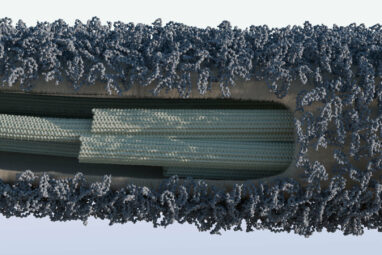
Biological cells often possess thin, hair-like protrusions on their surface known as cilia, which serve various functions ranging from movement...
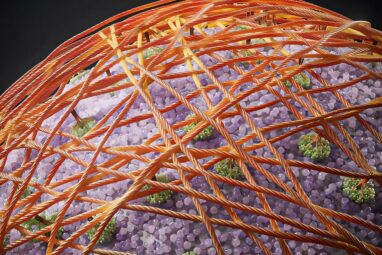
In a groundbreaking study on the synthesis of cellulose—a major constituent of all plant cell walls—a team of Rutgers University-New...
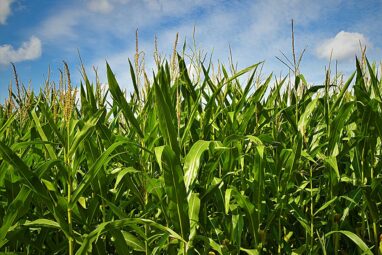
Insecticides may help growers hoping to protect their crops from harmful insects, but they also may contribute to a larger...

The COVID-19 pandemic highlighted the urgent need for effective therapeutic agents against SARS-CoV-2. Although vaccines helped control the spread of...

A drug-resistant type of bacteria that has adapted to health care settings evolved in the past several years to weaponize...
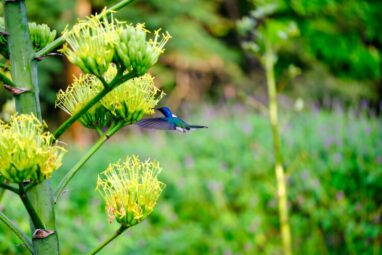
Why do humans wear clothes? One reason is that changing outfits allows people to tailor their look in hopes of...
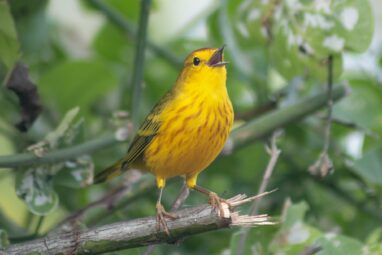
A new study has discovered that birds in the Galápagos Islands are changing their behavior due to traffic noise, with...
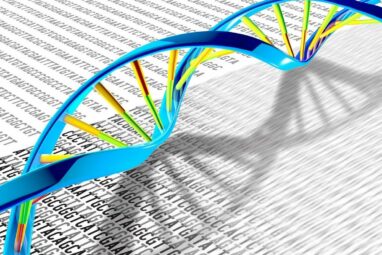
Advances in the gene-editing technology known as CRISPR-Cas9 over the past 15 years have yielded important new insights into the...
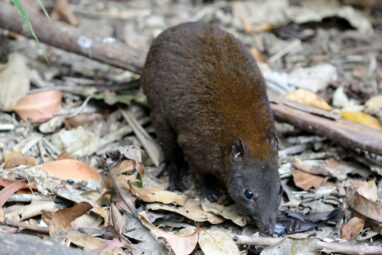
Scientists stalking a small marsupial through a remote Australian rainforest say they may have found a clue to the mystery...
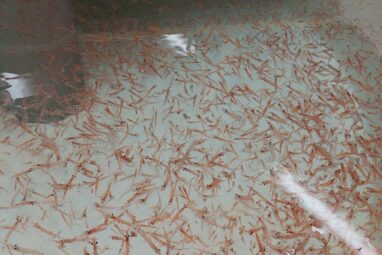
Imagine looking at the world through the stalked compound eyes of krill in the Southern Ocean. All of a sudden,...

University of Toronto researchers have discovered nine new genes used by bacteria to protect themselves against phages—viruses that infect them....

