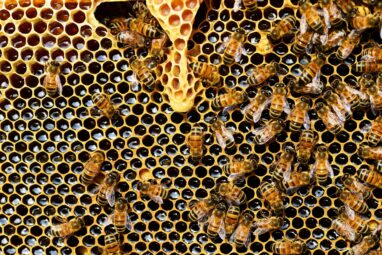
This year’s cold and flu season is bringing good news for honey bees. Penn State researchers have found that the...
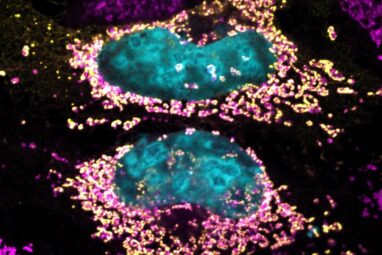
Researchers at the University of São Paulo (USP) in Brazil, partnering with colleagues in Australia, have identified a novel bacterial...
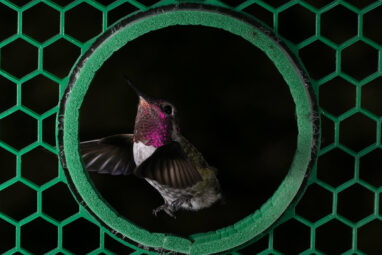
Most birds that flit through dense, leafy forests have a strategy for maneuvering through tight windows in the vegetation—they bend...

University of Colorado Boulder researchers have developed a new way of counting microorganisms that works as much as 36 times...
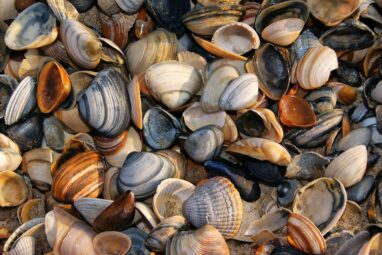
The cradle of paleontology—the study of fossil remains of animals and plants—lies in the Maastricht limestones, where the first Mosasaurus...
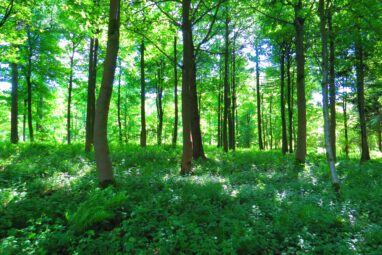
To slow the effects of climate change, conserve biodiversity, and meet the sustainable development goals, replanting trees is vital. Restored...
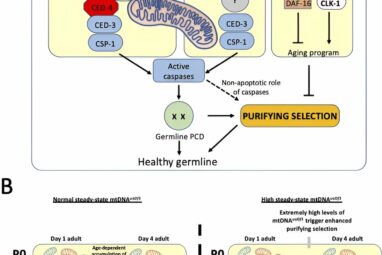
While we all aspire for a long lifespan, what is most coveted is a long period of vigor and health,...
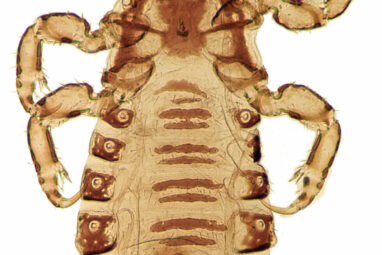
A new analysis of lice genetic diversity suggests that lice came to the Americas twice—once during the first wave of...
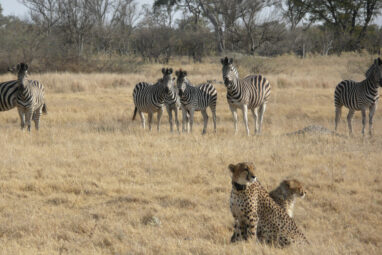
Cheetahs become more nocturnal on hot days. Climate change may up conflicts among Africa’s big cats.
Cheetahs are usually daytime hunters, but the speedy big cats will shift their activity toward dawn and dusk hours during...
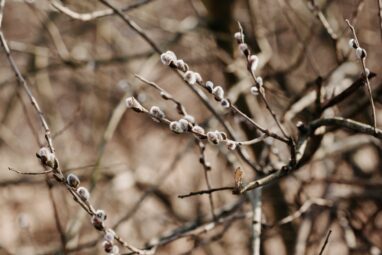
From a seasonal cold to a stomach bug, nobody likes catching a virus—and epidemics can be devastating. We need safe,...
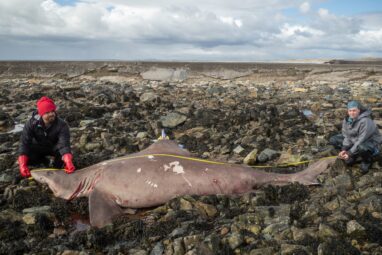
Some unexpected shark strandings and subsequent surprises following autopsies have ironically taken marine biologists millions of years back in time...
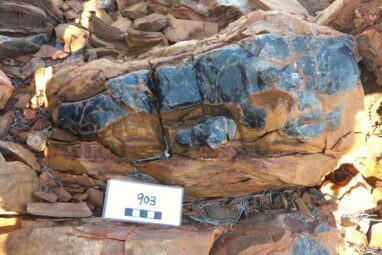
Microfossils from Western Australia may capture a jump in the complexity of life that coincided with the rise of oxygen...