Analysis of Riversleigh fossils has revealed fascinating new facts about a tiny possum’s ancestors. Scientists have long known that the...
Scientists testing a new method of sequencing single cells have unexpectedly changed our understanding of the rules of genetics. The...
Researchers have identified a “guard mechanism” for a protein which attacks microbes in infected cells, opening the possibility of new...

A new study led by the University of Oxford has found that natural evolution of antibiotic resistance genes has maintained...
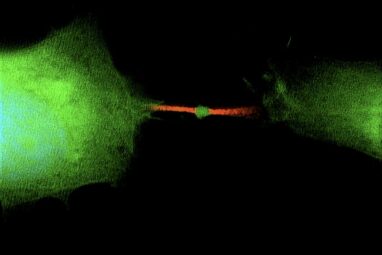
Once thought to be the trash can of the cell, a little bubble of cellular stuff called the midbody remnant...
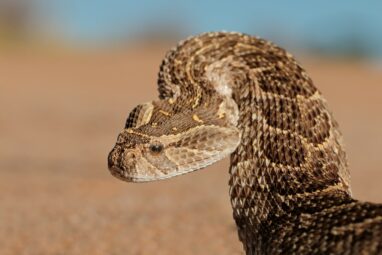
Snakes are familiar, distinctive—and often feared—reptiles. And they’ve been around for a long time: body fossils found in the UK,...
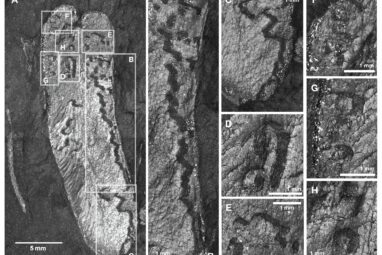
Insects are fragile, soft-bodied animals whose remains are difficult to preserve. Wings are often fossilized, but insect bodies, if present,...
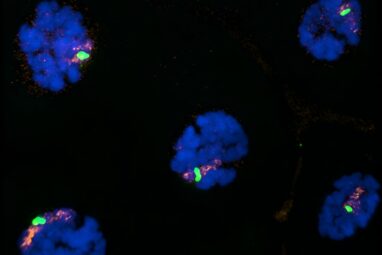
The research group of Dr. Claudia Keller Valsecchi (Institute of Molecular Biology, Mainz, Germany) and their collaborators have discovered the...
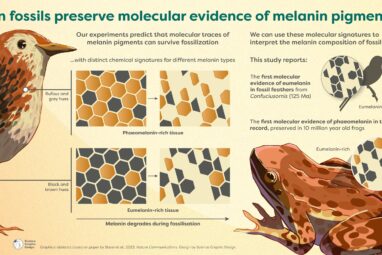
Paleontologists at University College Cork (UCC) have found the first molecular evidence of pheomelanin, the pigment that produces ginger coloration,...

Grass may transfer genes from their neighbors in the same way genetically modified crops are made, a new study has...

A new method developed by EMBL scientists can help us identify and investigate plankton species in field samples with greater...
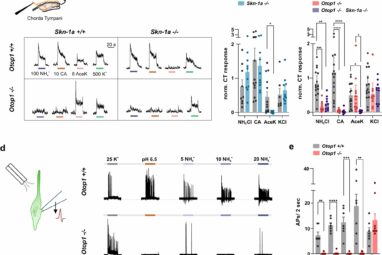
Japanese scientist Kikunae Ikeda first proposed umami as a basic taste—in addition to sweet, sour, salty and bitter—in the early...