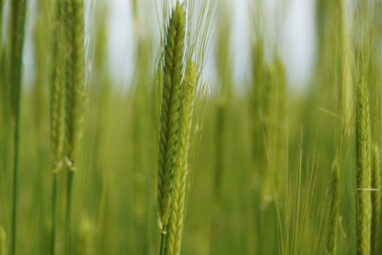
In a large-scale study, now published in npj Science of Food and conducted by the University of Hohenheim in Stuttgart...
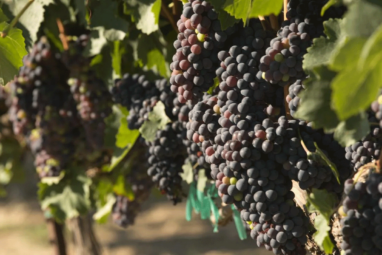
A team of scientists—including UC Irvine’s Distinguished Professor of Ecology & Evolutionary Biology Brandon Gaut and UC Davis’s Professors of...

by Minke Nijenhuis, Kurt Gothelf, and Lise Refstrup Linnebjerg Pedersen, Aarhus University A human cell harbors roughly 2 meters of...
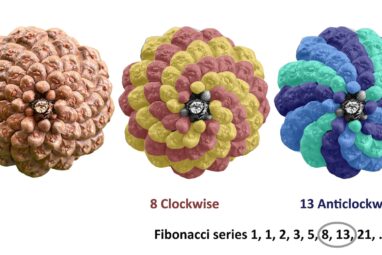
A 3D model of a 407-million-year-old plant fossil has overturned thinking on the evolution of leaves. The research has also...
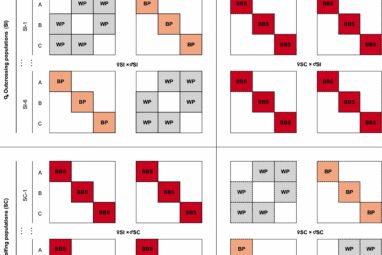
There are flowering plants that have the ability to self-pollinate, meaning that they can fertilize themselves without a partner. A...
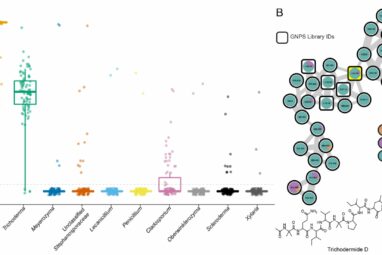
“Weed early and often” is the key to a productive garden. Interestingly, certain species of ants are also avid gardeners,...
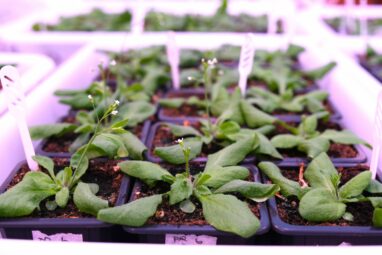
Researchers led by Núria Sánchez-Coll, CSIC researcher at the Center for Research in Agricultural Genomics (CRAG), have characterized for the...
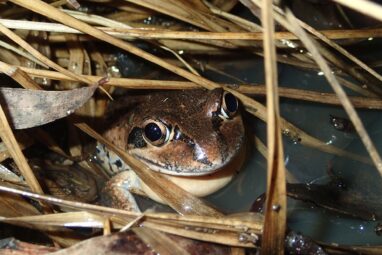
We all know the familiar “ribbit” of a frog call, but did you know that individual frogs have distinct accents?...
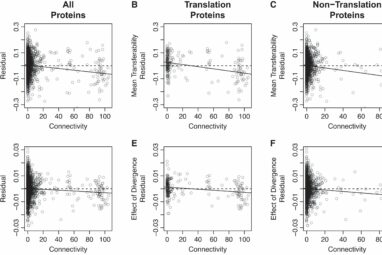
The recognition of the phenomenon known as horizontal (or lateral) gene transfer (HGT/LGT) revolutionized our understanding of evolutionary mechanisms. Unlike...
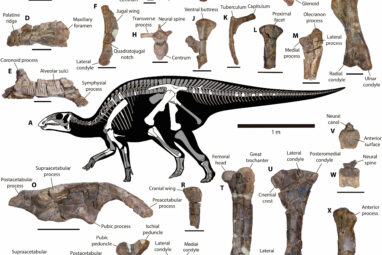
Remains of a species of herbivorous dinosaur previously unknown in the southern hemisphere have been discovered in Chile, challenging long-held...
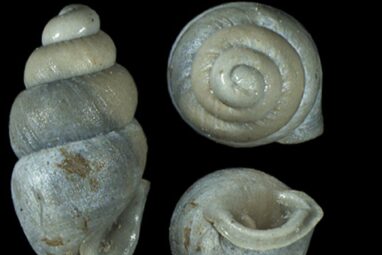
Researchers from the U.S. and Switzerland, including Senckenberg scientist and first author Dr. Adrienne Jochum, have described the first fossil...
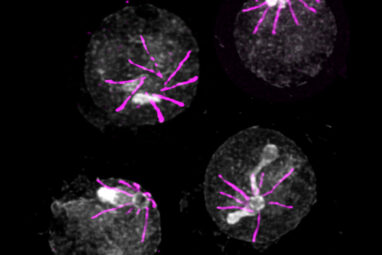
With almost 250 million cases a year, 621,000 of them fatal, malaria remains a major public health problem, particularly in...