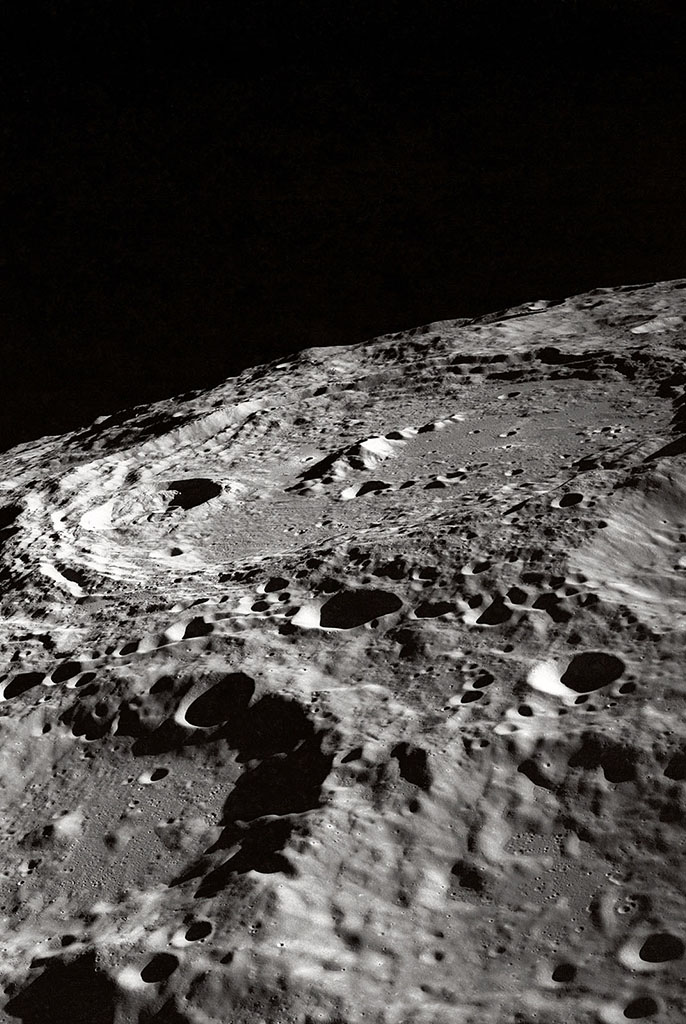

A new paper from the University of Bristol rewrites the history of the darkest, most bizarre event in the history...
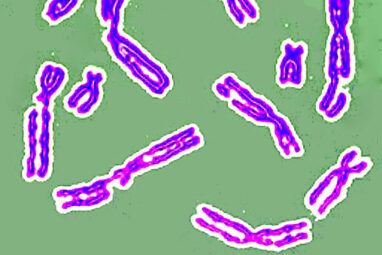
We often come to an understanding of what causes a disease. We know, for example, that cancers are caused by...
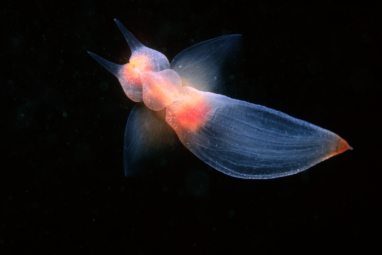
The world’s oceans absorb approximately a quarter of all carbon dioxide (CO2) emissions. During absorption, CO2 reacts with seawater and...
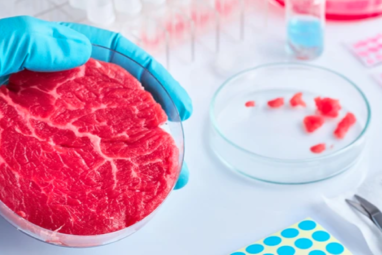
To make it possible for cellular agriculture—the process of growing meat in bioreactors—to feed millions of people, several technical challenges...
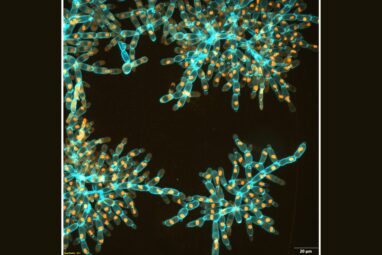
The world would look very different without multicellular organisms—take away the plants, animals, fungi, and seaweed, and Earth starts to...
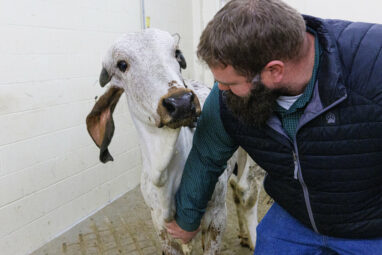
Cattle worldwide face major health threats from a highly infectious viral disease that decades of vaccinations and other precautions have...

Finding, cultivating, and bioengineering organisms that can digest plastic not only aids in the removal of pollution, but is now...
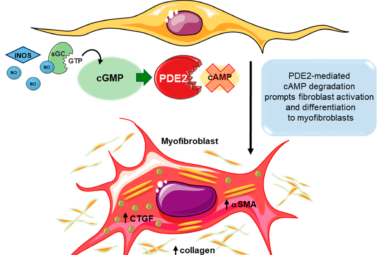
Two highly similar molecules with essential but often contrasting signaling roles in most life forms exert their distinct effects through...
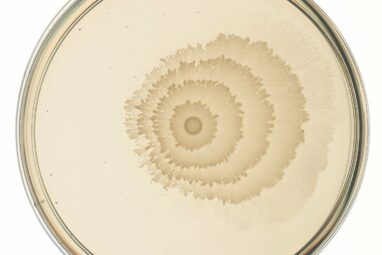
Researchers in Biomedical Engineering Professor Tal Danino’s lab were brainstorming several years ago about how they could engineer and apply...

Birds across the Americas are getting smaller and longer-winged as the world warms, and the smallest-bodied species are changing the...
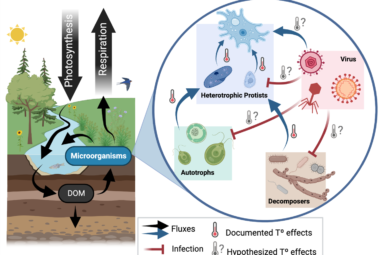
Microbes play important roles in ecosystems, and these roles are changing with global warming. Scientists also now know that most...
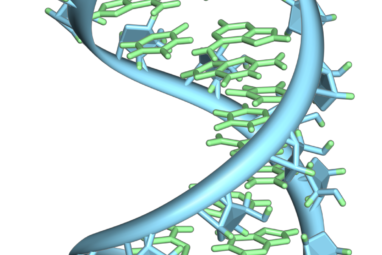
Researchers from the University of California, Irvine have developed a DNA enzyme—or DNAzyme—that can distinguish between two RNA strands inside...