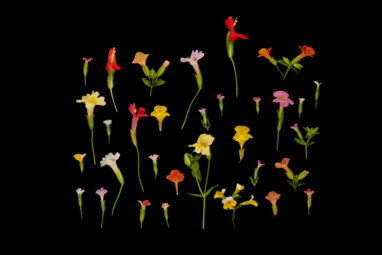
Monkeyflowers glow in a rich assortment of colors, from yellow to pink to deep red-orange. But about 5 million years...
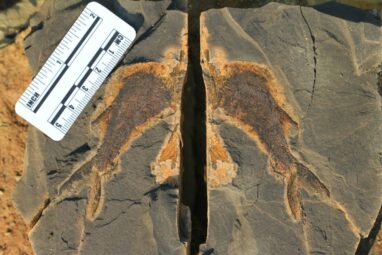
About 250 million years ago, the Permian-Triassic mass extinction killed over 80% of the planet’s species. In the aftermath, scientists...
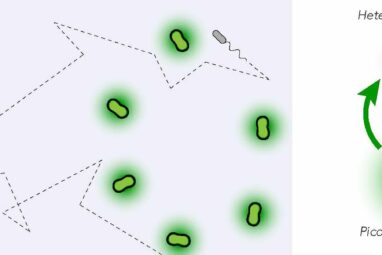
Microorganisms, or microbes, are the engines driving large-scale ecological and biogeochemical processes in the ocean. They process light and nutrients...

A diet of non-processed meat, human leftovers, and raw bones during puppyhood and adolescence may protect dogs against certain gastrointestinal...
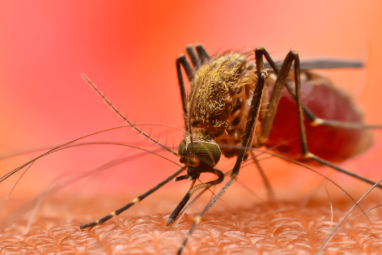
Mosquitoes: the world’s deadliest animal. These tiny flying insects are vectors for dengue fever, yellow fever, Zika, malaria, and many...
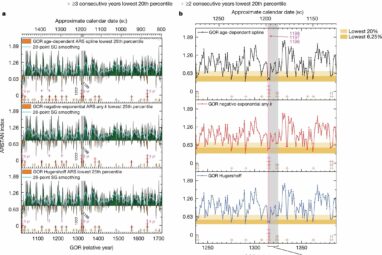
The plant Nicotiana benthamiana, from the Solanaceae family, is one of the most widely used experimental models in plant science....
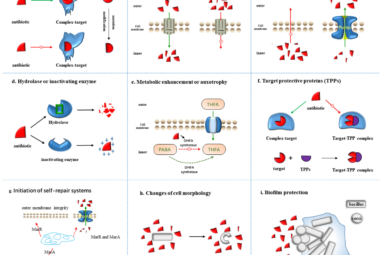
Antibiotic-resistant bacteria are a looming threat to global health. Bacteria that develop genetic resistance to antibiotics cause millions of human...
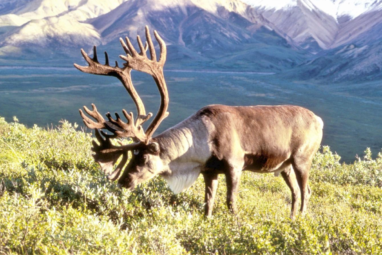
Caribou have been using the same Arctic calving grounds for more than 3,000 years, according to a new study by...
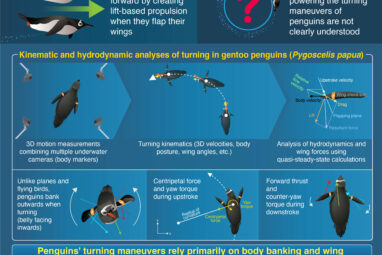
Penguins constitute a fascinating family of flightless birds, that although somewhat clumsy on land, are extremely talented swimmers. Their incredible...
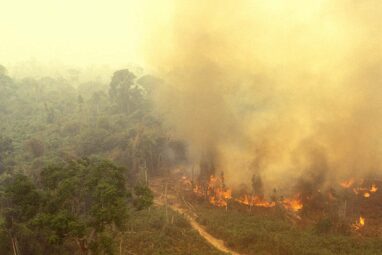
A decrease in tropical forest biomass stemming from changes in climate may lead to increased carbon emissions that could accelerate...

A synthetic biosensor that mimics properties found in cell membranes and provides an electronic readout of activity could lead to...

The p97 protein is one of your body’s best garbage disposers. It floats around in your cells looking for signals...