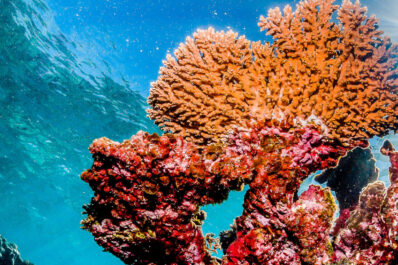
You can love something to death. That is one way of thinking about a new Stanford University study that reveals...
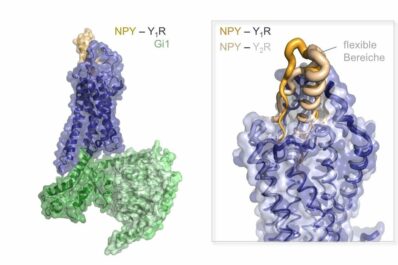
The human body consists of trillions of cells that constantly communicate with one another. A central role in this communication...
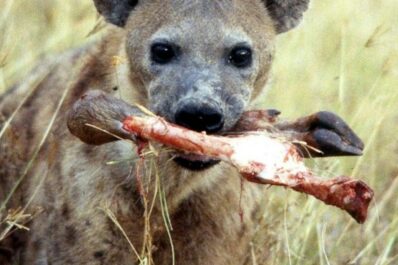
Of the hundred or so known species of hyena—living and extinct—that stalked the earth, all have been meat eaters or...
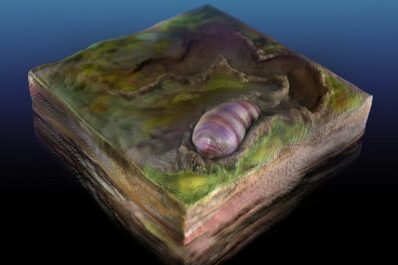
A silicified 30-million-year-old fruit fossil could hold the clue to unlocking more information about screw palms (Pandanus) in Australia. A...
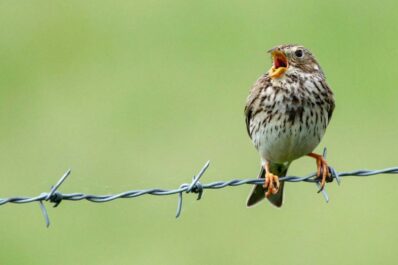
Staggering declines in bird populations are taking place around the world. So concludes a study from scientists at multiple institutions,...
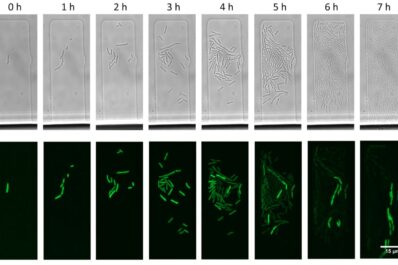
Researchers from Konstantin Severinov’s laboratory have shown what luck has to do with bacterial cells acquiring and retaining small DNA...
EPFL researchers have discovered that symmetry in the human body is influenced by surface tension, the same mechanical phenomenon that...
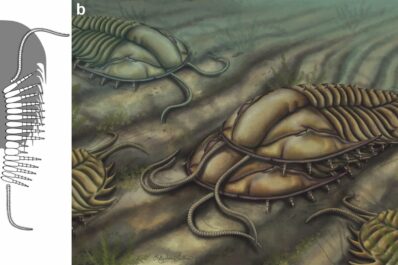
Fossils can tell scientists a lot about an animal such as their morphology, their environment, and where to place them...
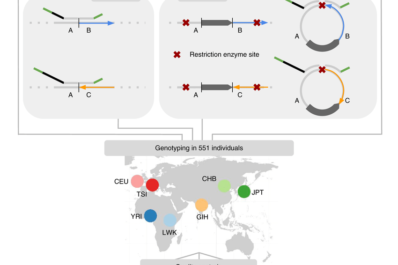
Researchers at EMBL Heidelberg found that inversions in the human genome are more common than previously thought, which impacts our...
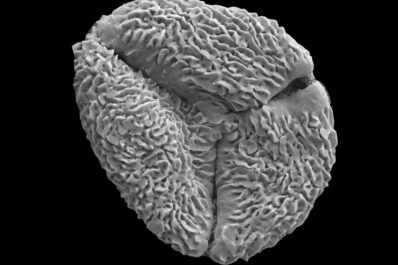
Around 56 million years ago, Earth’s climate underwent a major climatic transition. A huge release of carbon into the ocean...

A fungus-like microbe taken from the pristine waters of South Australia could prove to be a vital ingredient in making...
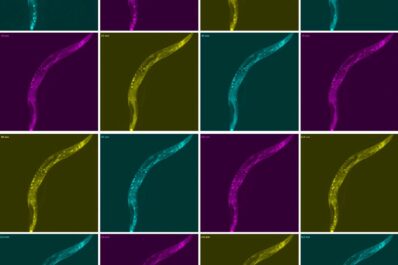
Whether it’s making rash decisions or feeling grumpy, hunger can make us think and act differently—”hangry,” even. But little is...