
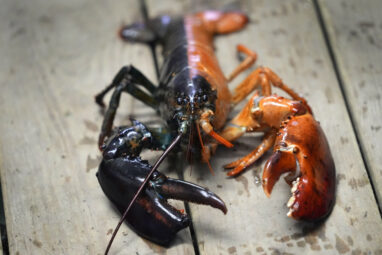
Orange, blue, calico, two-toned and … cotton-candy colored? Those are all the hues of lobsters that have showed up in...
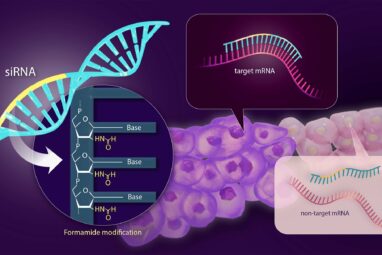
Small interfering RNA (siRNA) drugs are a class of therapeutic agents that silence specific genes associated with inherited diseases. However,...

Since the catastrophic pandemics of the Middle Ages, one disease has almost proverbially symbolized contagion and death: the plague. It...
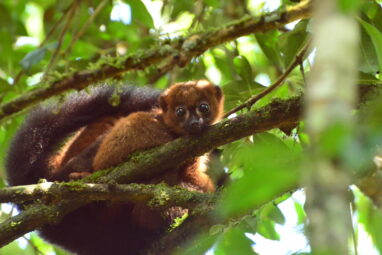
Conservation efforts directed towards just 0.7% of the world’s land mass could help protect one third of the world’s threatened...
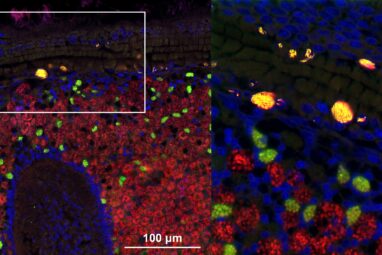
Most animals live in intimate relationships with bacteria. Some of these bacteria live inside the cells of their hosts, but...
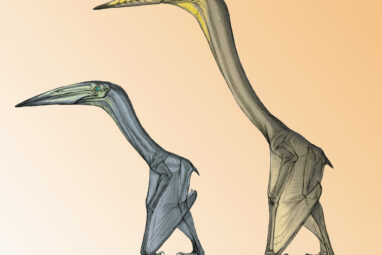
Some species of pterosaurs flew by flapping their wings while others soared like vultures, demonstrates a new study published in...

Researchers at Auburn University, in collaboration with scientists from the University of Basel and ETH Zurich, have made an advance...
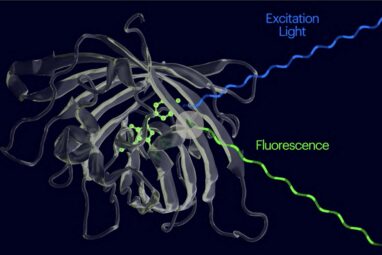
Biosensors—devices that use biological molecules to detect the presence of a target substance—have enormous potential for detecting disease biomarkers, molecules-in-action...

When Southern Methodist University (SMU) researcher Alexander Chase was a young boy, the sheer diversity of plants in Earth’s tropical...
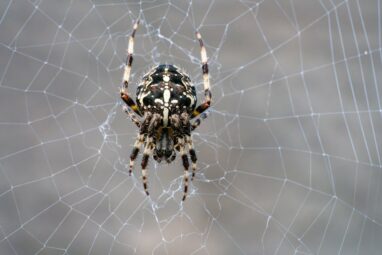
As darkness falls, the nocturnal half of the animal kingdom starts its day. Nocturnal species are perfectly adapted to navigate...
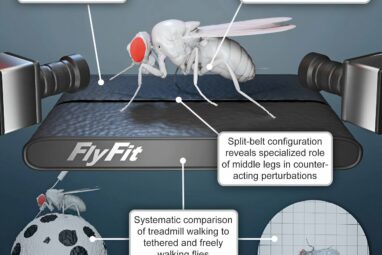
Fruit flies walking on miniature treadmills are helping scientists learn how the nervous system enables animals to move in an...
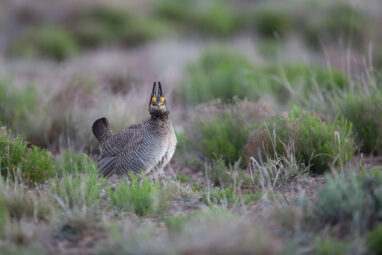
Biologists originally classified the lesser and greater prairie chickens of the Great Plains as two different species. Difficult to distinguish...

