
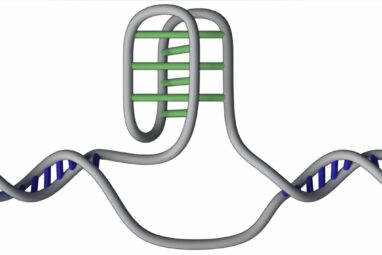
Researchers have mapped 50,000 of DNA’s mysterious “knots” in the human genome. The innovative study of DNA’s hidden structures may...
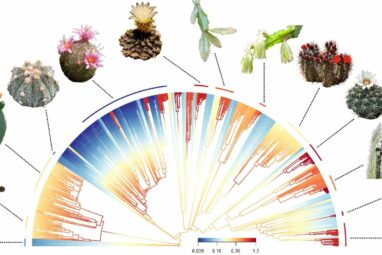
Cacti are among the most diverse plants, from the giant saguaro cactus that can grow up to 18 meters in...
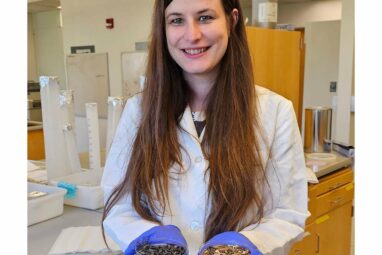
Rutgers University-New Brunswick scientists have discovered a virus that caused a nationwide die-off of superworms, a common food for birds,...
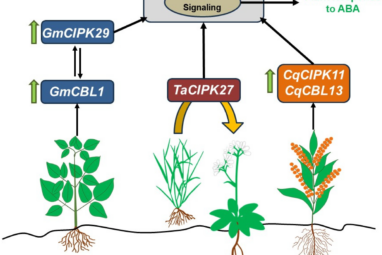
Using newly generated “optogenetic” tobacco plants, research teams from the University of Würzburg’s Departments of Plant Physiology and Neurophysiology have...
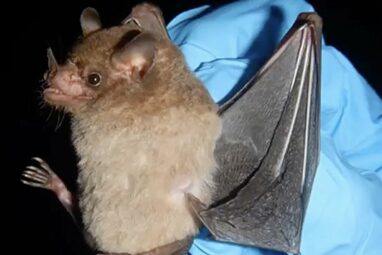
Humans must regulate blood sugar concentrations to stay healthy and to fuel our cells. Too little or too much can...
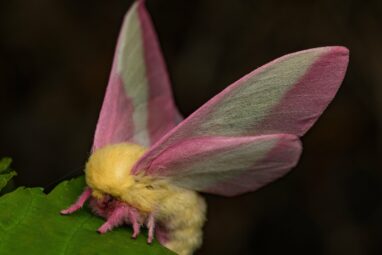
How does one species become two? If you’re a biologist, that’s a loaded question. The consensus is that, in most...
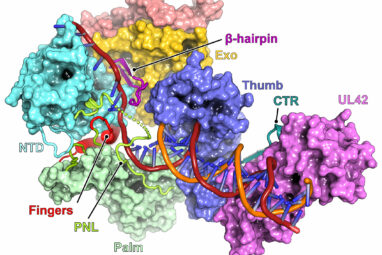
All organisms—from fungi to mammals—have the capacity to evolve and adapt to their environments. But viruses are master shapeshifters with...

To understand the brain better, we need new methods to observe its activity. That is at the heart of a...

New methods to shape RNA molecules into circles could lead to more effective and long-lasting therapies, shows a study by...

Fossils are used to reconstruct evolutionary history, but not all animals and plants become fossils and many fossils are destroyed...

Viruses are tricky to keep up with. They evolve quickly and regularly develop new proteins that help them infect their...
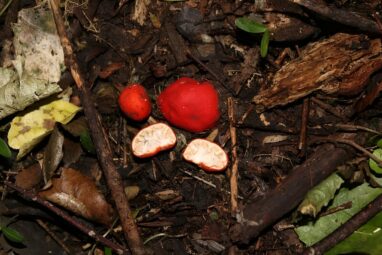
Most fungi need only wind or water to disperse their spores. But some, including truffles, need a little help from...

