Since the industrial revolution, microbes have successfully colonized one novel type of habitat after another: for example, marine oil spills,...
Researchers at Michigan State University have discovered two proteins that work together to determine the fate of cells in plants...
Every year, life-threatening invasive fungal infections afflict more than 2 million individuals globally. Mortality rates for these infections are high,...

New research from a team of genome scientists and DNA damage response experts breaks new ground in understanding the function...
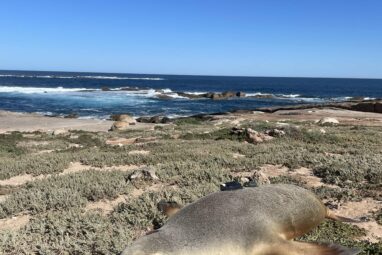
What lies deep beneath ocean surfaces is often a mystery. In Australia, many underwater habitats have not been mapped, and...
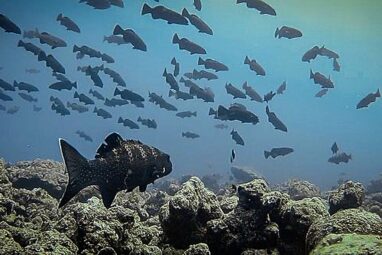
Populations of squaretail grouper face an uncertain future as new research shows fishing that targets their spawning sites is causing...
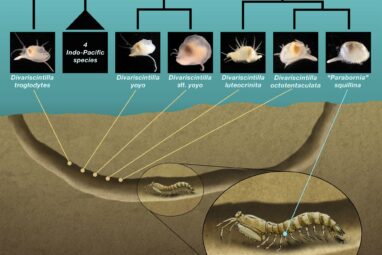
Living with a killer: How an unlikely mantis shrimp-clam association violates a biological principle
When clams gamble on living with a killer, sometimes their luck may run out, according to a University of Michigan...

Compared to other mammals, human children are dependent on their caregivers for a remarkably long time. Throughout the ages, they...
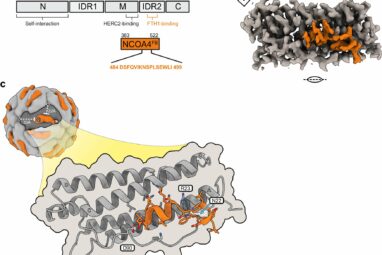
Microscopy has been making leaps and bounds in recent years. Science that was inconceivable a few years ago has become...
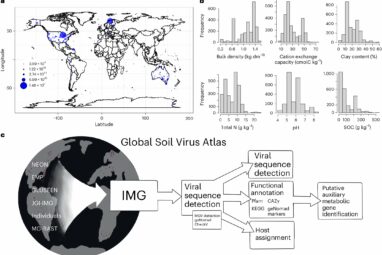
Soils are among the largest viral reservoirs on Earth. Yet historically, soil viruses have been ignored. Recent work indicates the...

A study of horses—which share many important similarities with humans in their chromosomes and pregnancies—revealed that 42% of miscarriages and...
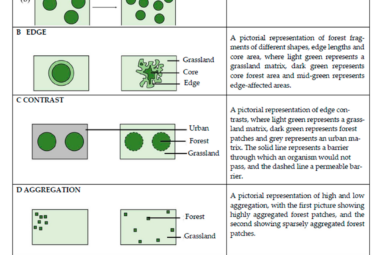
When an ecosystem faces the challenge of habitat fragmentation, ecologists and conservation biologists traditionally have encouraged population dispersal to give...