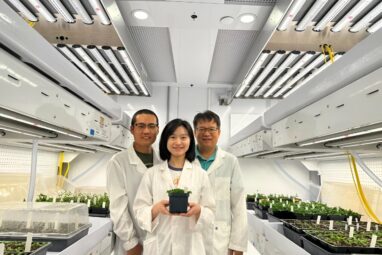
MicroRNAs can make plants more capable of withstanding drought, salinity, pathogens and more. However, in a study published in Nature...
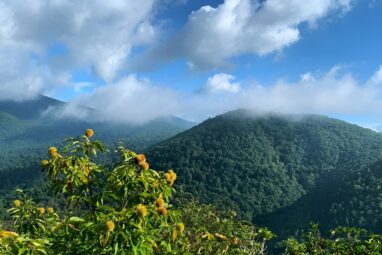
Native trees adapt to the climate and environmental conditions of their area to survive. Researchers in the College of Natural...
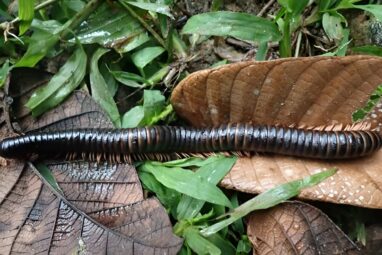
When a new species is discovered in the depths of the rainforest or on top of a mountain, it can...
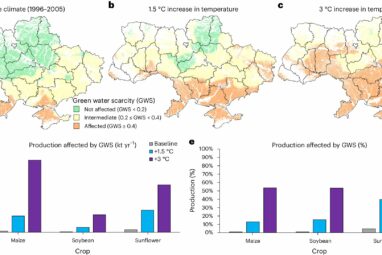
By the middle of the century, three-quarters of Ukrainian croplands—a critical source of the world’s grain and oilseeds—will experience water...
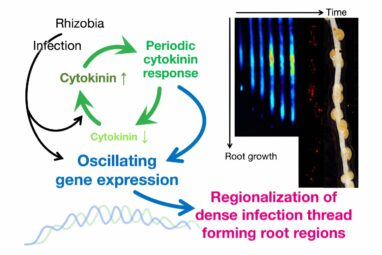
Legumes thrive in low-nitrogen environments by partnering with rhizobia, soil bacteria that convert atmospheric nitrogen into ammonium, a usable form...
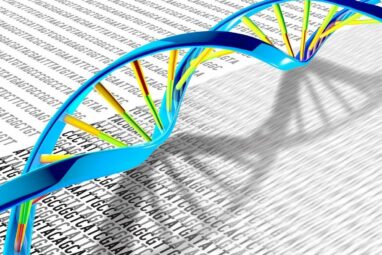
In a study published in PNAS, a research team has resolved the first high-resolution structure of the sgc8c DNA aptamer...
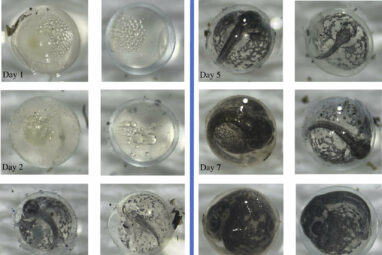
Some species of fish can change their egg-laying habits in response to predators in the area in order to survive,...
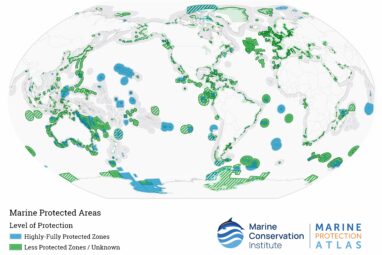
Marine Protected Areas (MPAs) are having a positive spillover effect, producing more “trophy-size” fish just outside of the fully protected...
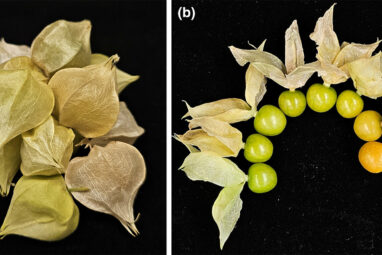
Imagine a small fruit that tastes like a cross between a tomato and a pineapple, wrapped in its own natural...
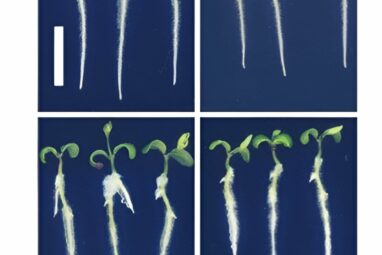
The negative impact of human activity on Earth doesn’t just affect our planet’s atmosphere—it goes much deeper, into its soils....
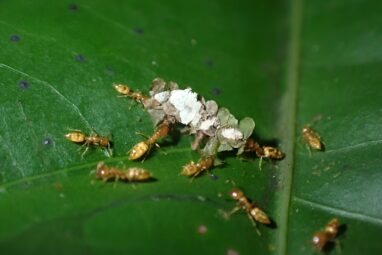
Ants are famous for their regimented and complex social behaviors. In the tropics, they are also famous for forming mutualisms...
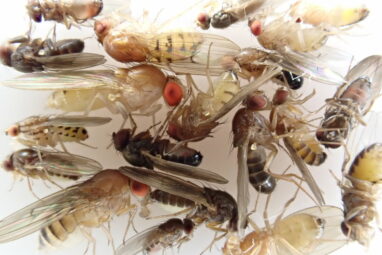
A multitude of new genomic sequence data fills major gaps in the fruit fly tree of life, Bernard Kim from...