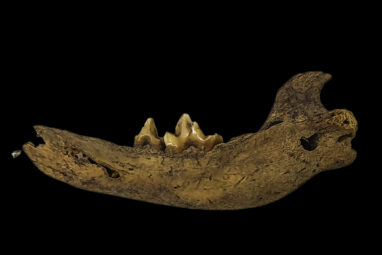
Dingoes arrived in Australia more than 3,000 years ago. Now a new study has compared DNA from fossilized dingo remains...
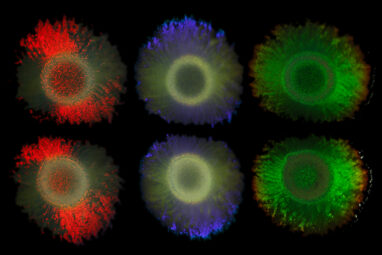
An international team of researchers of the Cluster of Excellence “Balance of the Microverse” at the University of Jena has...
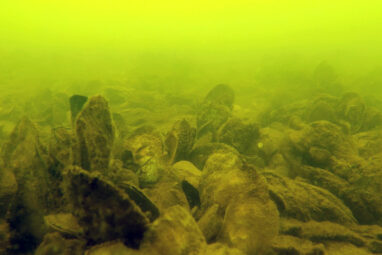
In the campaign to restore Chesapeake Bay, oyster sanctuaries rank among the most hotly contested strategies. But new research suggests...
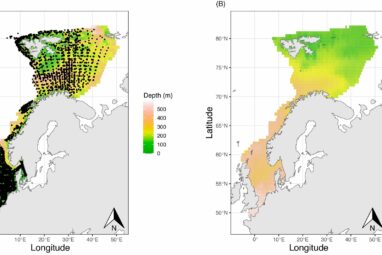
New research predicts significant shifts in marine fish communities in the North Atlantic and Arctic Oceans as a result of...
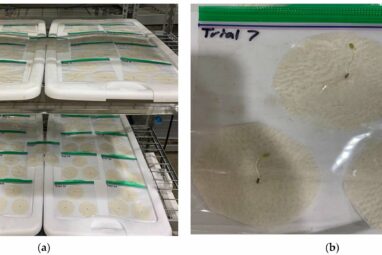
Urban agriculture has the potential to improve food security through local, efficient, and sustainable food production. Examples of urban food...
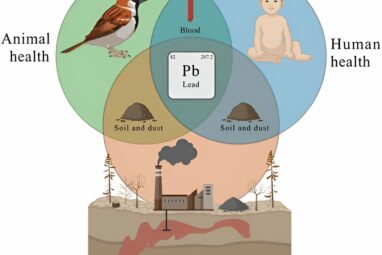
Why should a medical student develop an interest in conservation? According to a growing body of evidence, including a recent...
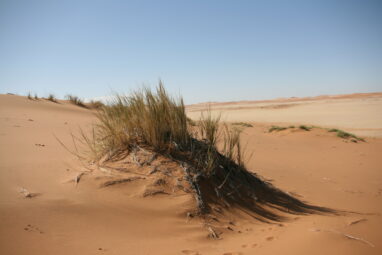
Researchers from the Senckenberg Center for Human Evolution and Paleoenvironment (SHEP) at the University of Tübingen and the Senckenberg Natural...
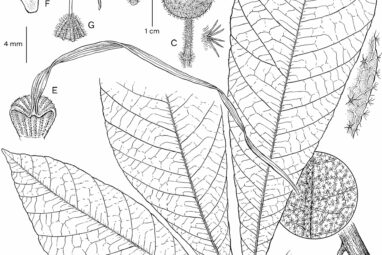
Scientists have found three new species that are close relatives to the plant from which chocolate is produced—a discovery that...

Pseudomonas aeruginosa—an environmental bacteria that can cause devastating multidrug-resistant infections, particularly in people with underlying lung conditions—evolved rapidly and then...
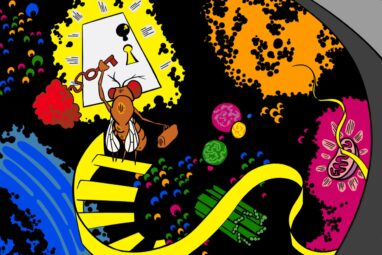
Maternal messenger RNAs (mRNAs), located within the cytoplasm of an immature egg, are crucial for jump starting development. Following fertilization,...
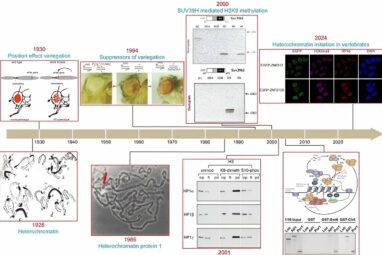
A study published in Nature on July 4 by Prof. Zhu Bing from the Institute of Biophysics of the Chinese...
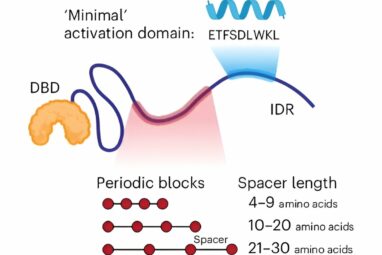
Transcription factors regulate gene expression by binding specific sequences on DNA, which is an essential step to producing messenger RNAs...