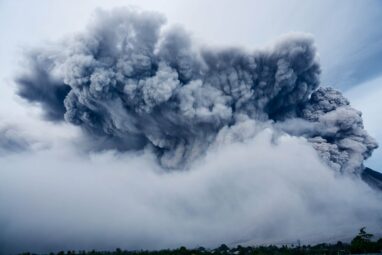
University of Saskatchewan (USask) researcher Dr. Matthew Toohey (Ph.D.) and University of Bern researcher Dr. Michael Sigl (Ph.D.) were part...
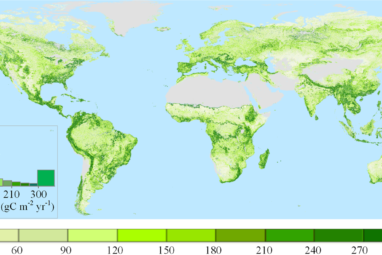
Soil is the largest terrestrial reservoir of organic carbon and is central for climate change mitigation and adaptation. Mineral-organic associations...
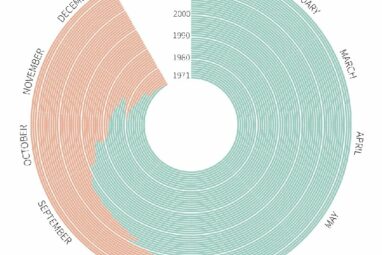
Mankind marks a dubious milestone Thursday, the day by which humanity has consumed all earth can sustainably produce for this...
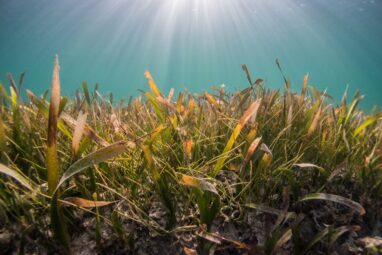
Restoring coastal vegetation—so called ‘blue carbon’ habitats—may not be the nature-based climate solution it is claimed to be, according to...
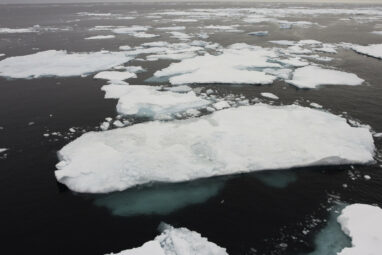
Sea ice and wildfires may be more interconnected than previously thought, according to new research out today in Science Advances....
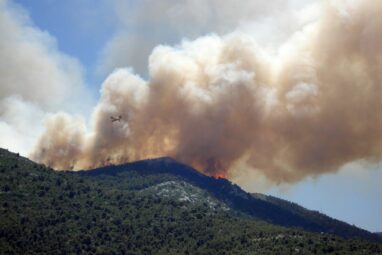
In recent years the plumes of smoke crawling upward from Western wildfires have trended taller, with more smoke and aerosols...
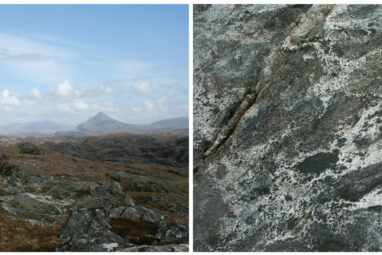
A new Curtin University study has found that water was transported much deeper in the early Earth than previously thought,...
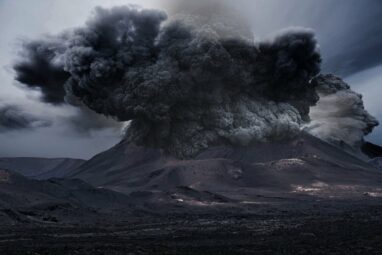
Lead researcher Dr. Qiang Jiang, a Curtin Ph.D. graduate from Curtin’s School of Earth and Planetary Sciences, said the findings...
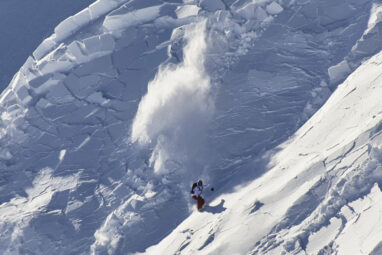
Scientists from EPFL and the WSL Institute for Snow and Avalanche Research SLF have gained deeper insight into how snow...
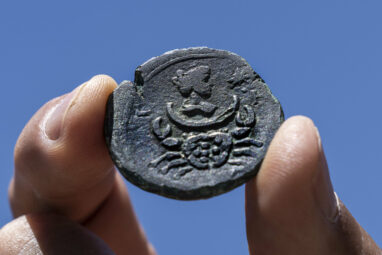
Extreme cooling events during the last glacial period, known as Heinrich events in the North Atlantic, are a good example...
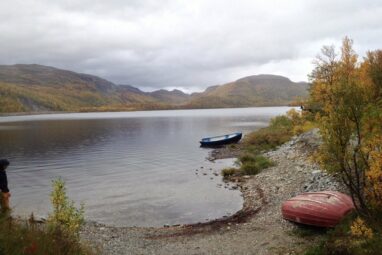
A study of 29 European lakes has found that some naturally-occurring lake bacteria grow faster and more efficiently on the...
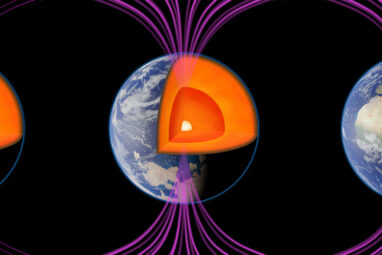
Approximately 1,800 miles beneath our feet, swirling liquid iron in the Earth’s outer core generates our planet’s protective magnetic field....