Atoms are notoriously difficult to control. They zigzag like fireflies, tunnel out of the strongest containers and jitter even at...
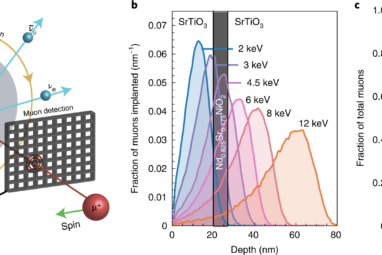
Electrons find each other repulsive. Nothing personal—it’s just that their negative charges repel each other. So getting them to pair...
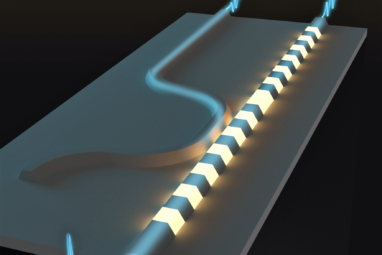
Engineers at Caltech have developed a switch—one of the most fundamental components of computing—using optical, rather than electronic, components. The...
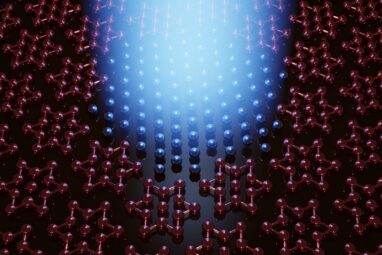
The development of high-speed strobe-flash photography in the 1960s by the late MIT professor Harold “Doc” Edgerton allowed us to...
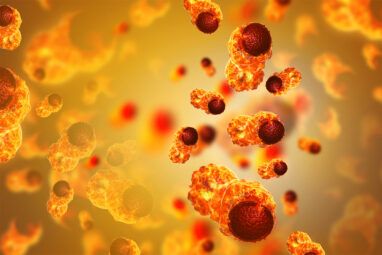
Researchers at the University of Toronto, Johns Hopkins University and Vanderbilt University have discovered that certain cells move surprisingly faster...
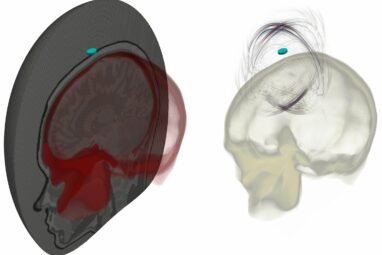
Both ultrasound for medical imaging and seismology for imaging the Earth’s interior measure the propagation of waves through matter. For...

Australian scientists are making strides towards solving one of the greatest mysteries of the universe: the nature of invisible “dark...
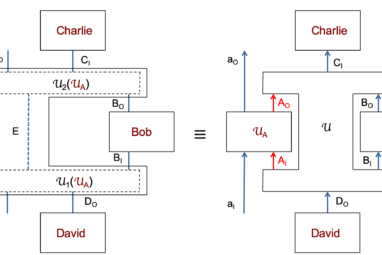
When studying a complex system, scientists identify smaller pieces called subsystems that they can make sense of. By studying subsystems...

When a highly diluted gas is cooled to extremely low temperatures, bizarre properties are revealed. Thus, some gases form a...
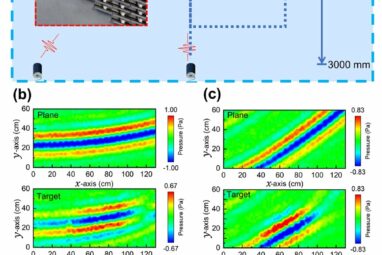
Acoustic camouflage, realized by controlling wave propagation, has attracted much attention in recent years. Aided by a reflecting surface, acoustic...

A roadmap for the future direction of quantum simulation has been set out in a paper co-authored at the University...
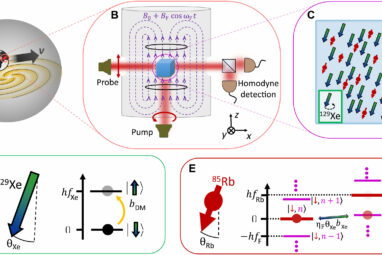
Yet-to-be discovered axions and axion-like particles may be the key to explaining some of the deepest puzzles of our universe,...