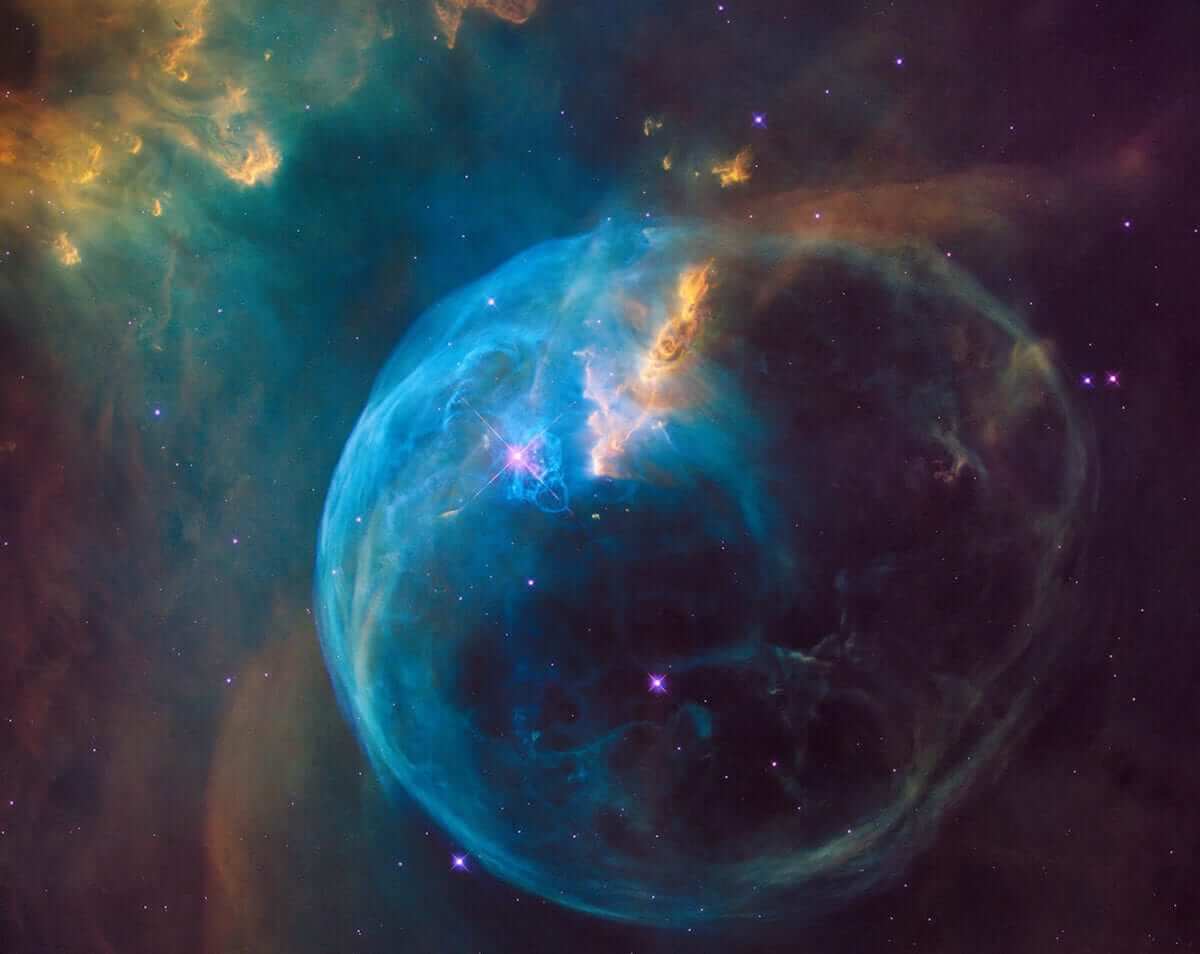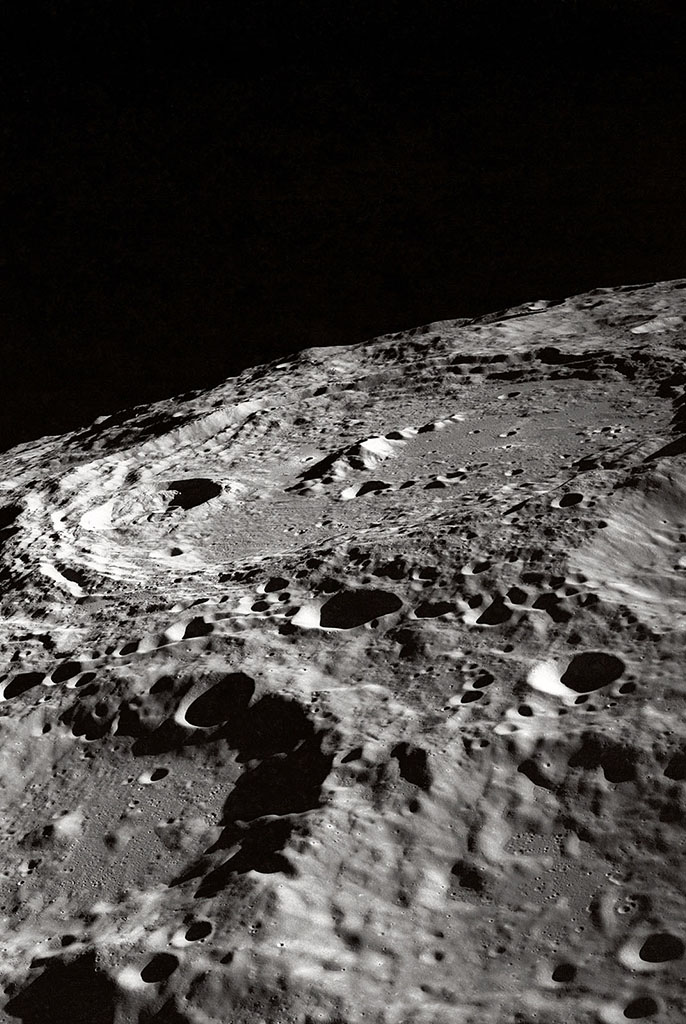
Two astrophysicists at the Harvard-Smithsonian Center for Astrophysics have suggested a way to observe what could be the second-closest supermassive...
Astronomers at Caltech have used a machine learning algorithm to classify 1,000 supernovae completely autonomously. The algorithm was applied to...
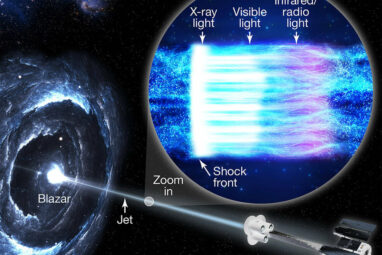
Some of the brightest objects in the sky are called blazars. They consist of a supermassive black hole feeding off...
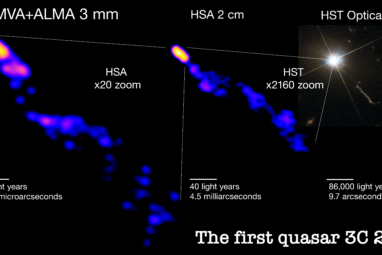
An international team of scientists has observed the narrowing of a quasar jet for the first time by using a...
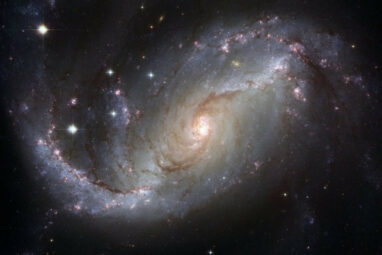
An international team of scientists has achieved the milestone of directly observing the long-sought, innermost dusty ring around a supermassive...
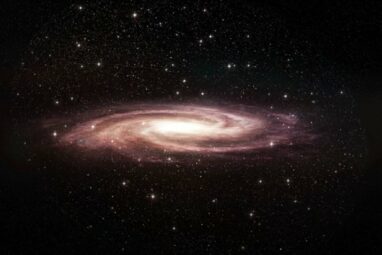
Northwestern University astrophysicist Farhad Zadeh has been fascinated and puzzled by a family of large-scale, highly organized magnetic filaments dangling...
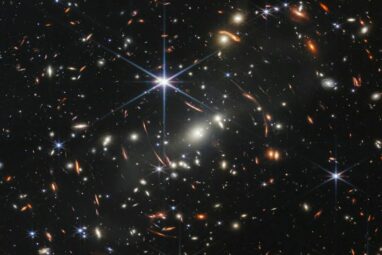
The earliest galaxies were cosmic fireballs converting gas into stars at breathtaking speeds across their full extent, reports a UCLA-led...
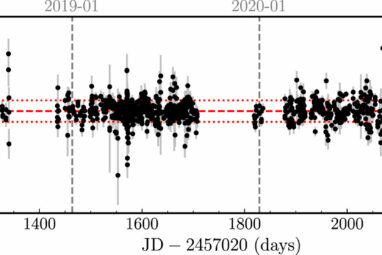
Researchers led by Dr. Lu Kaixing from Yunnan Observatories of the Chinese Academy of Sciences have provided new insights into...
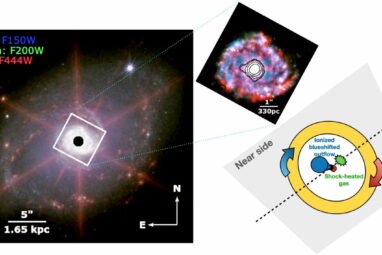
First in line to receive data transmissions from the James Webb Space Telescope, a team of astronomers at the University...
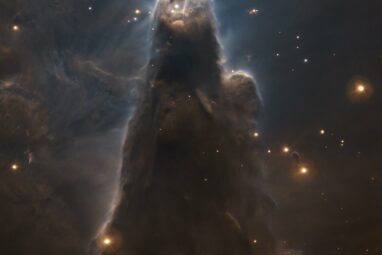
For the past 60 years the European Southern Observatory (ESO) has been enabling scientists worldwide to discover the secrets of...
Research led by the University of Amsterdam has demonstrated that elusive radiation coming from black holes can be studied by...
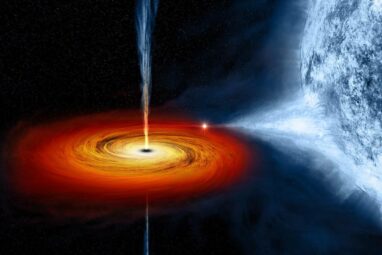
Gamma-ray bursts (GRBs) have been detected by satellites orbiting Earth as luminous flashes of the most energetic gamma-ray radiation lasting...