

In a study published today in the journal Quaternary Science Reviews, an international research team led by scientists from the...
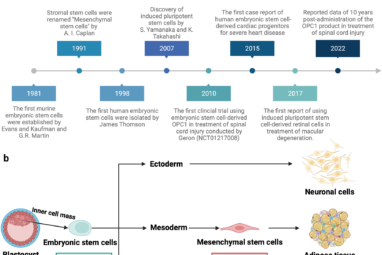
The body’s cells are constantly receiving and reacting to signals from their environment. A lot is known about how a...

by Leibniz-Institut für Naturstoff-Forschung und Infektionsbiologie – Hans-Knöll-Institut (Leibniz-HKI) The bacteria present in the intestine provide information about the quantities...
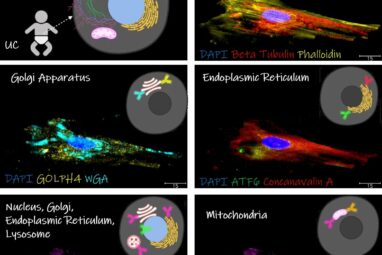
Organelles—the bits and pieces of RNA and protein within a cell—play important roles in human health and disease, such as...
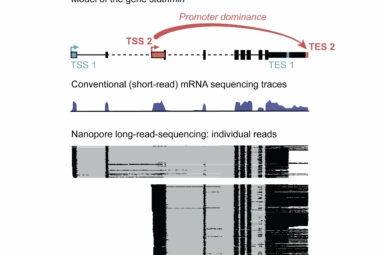
Each gene in our DNA has a beginning and an end. Defining the gene’s extremities properly is crucial in producing...

The spiral-shaped bacteria Helicobacter pylori are common and troublesome. More than 13 percent of Americans have an H. pylori infection,...
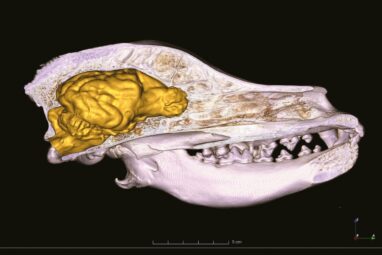
Modern dog breeds that are genetically more distant from wolves have a relatively larger brain size compared to ancient breeds...

Ruminants like cows have developed an unusual way of digesting their food: they ingest plants, give them a rough chewing...

by Anusuya Chinsamy-Turan, Karen Black, Mike Archer and Sue Hand, The Conversation Although long dead, fossil skeletons provide an incredible...
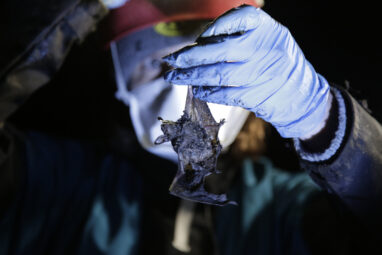
Deep in a cool, damp cave in Vermont, tens of thousands of furry, chocolate brown creatures stir. The little brown...
The goal of every dividing cell is to accurately segregate its genome into two genetically identical daughter cells. However, this...
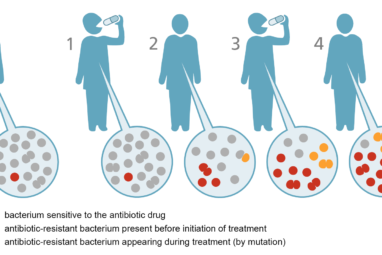
Bacteria can rapidly evolve resistance to antibiotics by adapting special pumps to flush them out of their cells, according to...