When it comes to oxygen, you can have too much of a good thing. Breathing air that contains higher levels...
A research team from Kiel University describes an unknown defense mechanism in bacteria that selectively wards off foreign and potentially...

In the first step toward understanding how dogs—and perhaps humans—might adapt to intense environmental pressures such as exposure to radiation,...
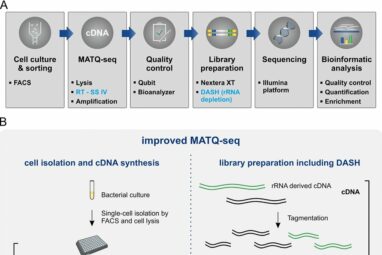
How do cells work in a normal state? How do they change when they cause disease? Do they react as...
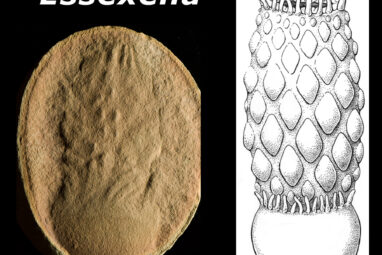
Billions of sea anemones adorn the bottom of the Earth’s oceans—yet they are among the rarest of fossils because their...
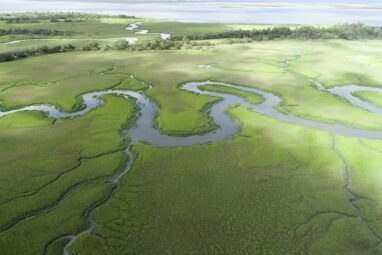
Faunal organisms such as the humble mussel often play an underappreciated yet important role in protecting and building coastal ecosystems,...
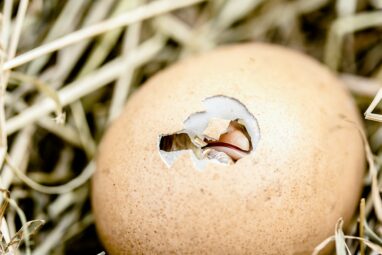
From birth, animals can use their spontaneous preferences (predispositions that are not learned) to decide which stimuli to attend and...
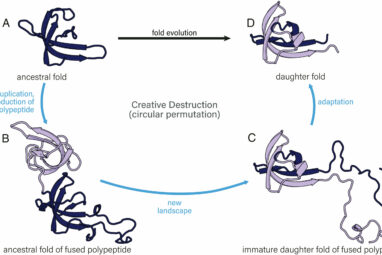
Proteins have been around a lot longer than we have—as building blocks of biological evolution, our existence depends on them....
A commonly used scientific method to analyze a tiny amount of DNA in early human embryos fails to accurately reflect...
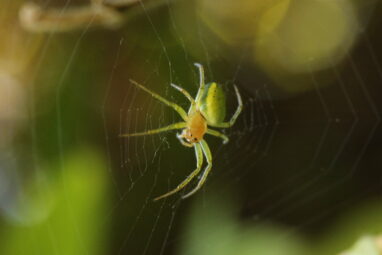
Cities are bursting with life, both human and animal. The smallest of them—insects, spiders and ants—are easily overlooked, but their...
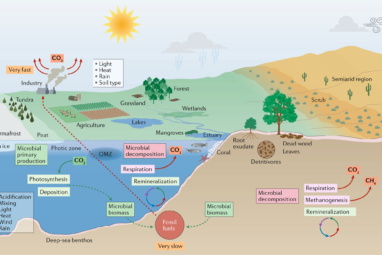
Plants convert light into a form of energy that they can use—a molecule called adenosine triphosphate (ATP)—through photosynthesis. This is...
Biological functions, resource availability, and evolutionary processes often play a key role in determining the expression of genetic traits and...