
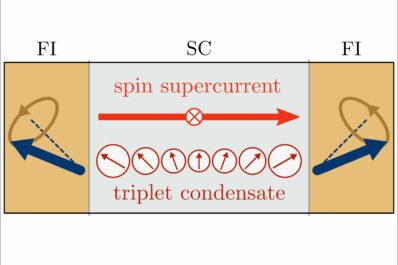
A group of theoretical physicists from the University of Jyväskylä and Tampere University, Finland, and the Materials Physics Center in...
While quantum computers represent a revolution in computation, they can’t communicate with each other the way regular computers can—over the...

The molecules of life, DNA, replicate with astounding precision, yet this process is not immune to mistakes and can lead...
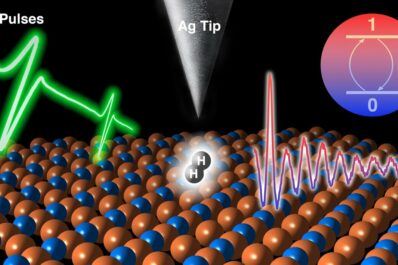
A team led by City College of New York physicist Lia Krusin-Elbaum is behind research that could open a breadth...
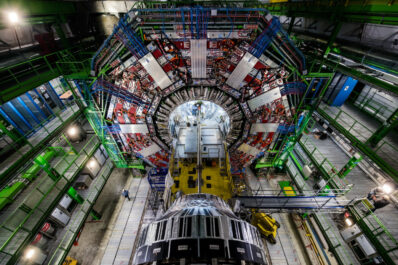
The CMS collaboration at the Large Hadron Collider (LHC) has carried out a new test on a model that was...
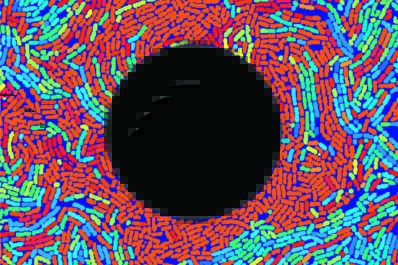
Clusters of microscopic bacteria exist all around us. These invisible communities, known as biofilms, are found in habitats ranging from...

When designing a next-generation quantum computer, a surprisingly large problem is bridging the communication gap between the classical and quantum...
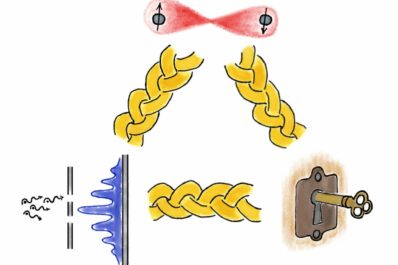
The physics of the microrealm involves two famous and bizarre concepts: The first is that prior to observation, it is...
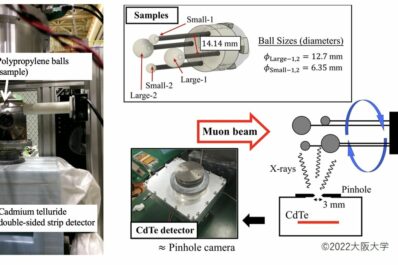
By combining technologies originally designed for high-energy particle accelerators and astronomy observations, researchers can now for the first time analyze...
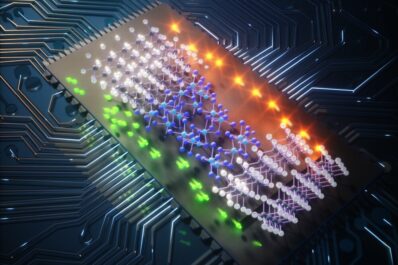
Associate professor Mazhar Ali and his research group at TU Delft have discovered one-way superconductivity without magnetic fields, something that...
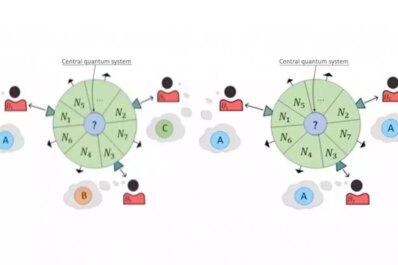
At the atomic and subatomic scales, objects behave in ways that challenge the classical worldview based on day-to-day interactions with...

Polaritons offer the best of two very different worlds. These hybrid particles combine light and molecules of organic material, making...