

Oxygen levels in the Earth’s atmosphere are likely to have “fluctuated wildly” 1 billion years ago, creating conditions that could...
Bacterial infectious diseases are still a huge contributor to global disease burden and with antibiotic resistance on the rise worldwide...

A new study from North Carolina State University shows a reproducible way of studying cellular communication among varied types of...
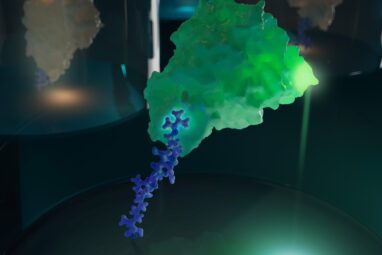
Researchers from Quantum-Si have published an article in Science that showcases how single-molecule protein sequencing via semiconductor chip and Time...
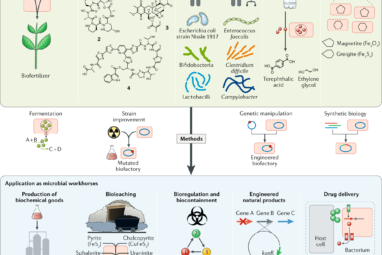
Bacteria can exchange genetic material among themselves—even across species. Rather than being passed on from ancestor to offspring, genetic information...
Stem cells are the very definition of potential: they have contained in their DNA the potential to become virtually any...
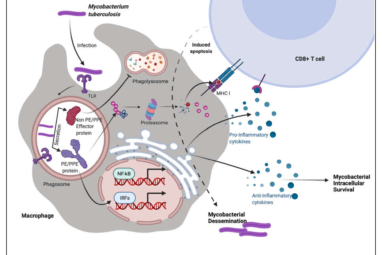
Mycobacterium tuberculosis (Mtb), the causative agent of tuberculosis (TB), remains a leading infectious threat to public health worldwide. It is...

People often visit U.S. national parks to catch a glimpse of wildlife. But how does our presence affect the animals...
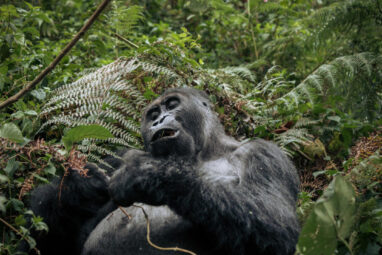
Wild populations of monitored animal species have plummeted nearly 70 percent in the last 50 years, according to a landmark...

A new study by researchers at the University of Washington shows that losing a particular group of endangered animals—those that...
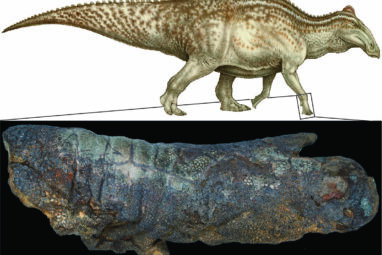
A process of desiccation and deflation explains why dinosaur “mummies” aren’t as exceptional as we might expect, according to a...
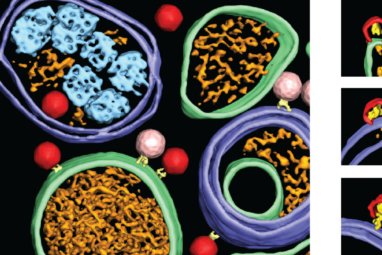
For the first time, researchers at Umeå University, Sweden, can now show how the dreaded poliovirus behaves when it takes...

