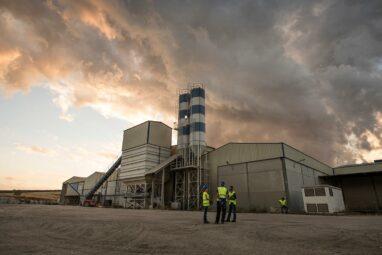
Scientists at Stanford University have developed a new solution for the challenge of making sure that when carbon dioxide (CO2)...
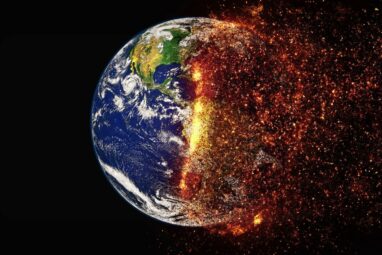
Global heating could become “catastrophic” for humanity if temperature rises are worse than many predict or cause cascades of events...

Aerosol particles in the atmosphere have a bigger impact on cloud cover—but less effect on cloud brightness—than previously thought, new...

Over the past 60 years, the global forest area has declined by 81.7 million hectares, a loss that contributed to...

New Leicester research has found that people who commute by car can be subject to higher levels of harmful gases...

Researchers attempting to help predict how the wildfire hazard will change due to various factors over the next several decades...
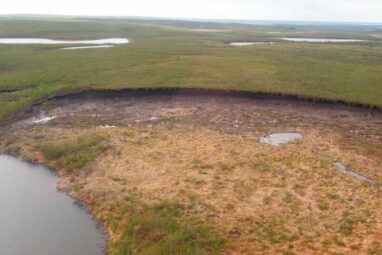
In the northernmost region of the earth the arctic permafrost is melting at an accelerated rate. For more than a...
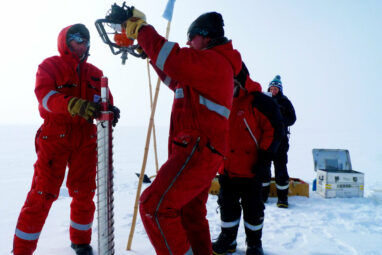
New evidence from Antarctica shows that toxic ‘fluorinated forever chemicals’ have increased markedly in the remote environment in recent decades...

It may not always be clear why global temperature rise must be kept below 1.5℃, compared to 2℃ or 3℃....
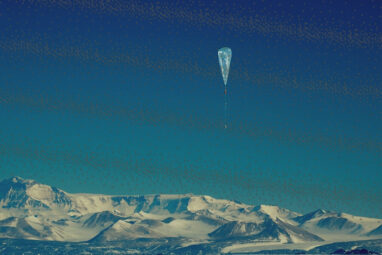
A new study in AGU’s Geophysical Research Letters reports on the first detection of a large, distant earthquake in a...

The North Pacific Blob, a marine heatwave that began in late 2013 and continued through 2015, was the largest and...

A new study finds that decarbonization pathways need to incorporate more efficient electric heating technologies and more renewable energy sources...