
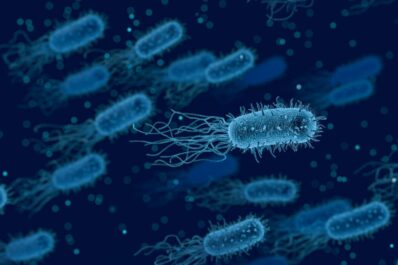
Published in Nature Communications, research from the University of Minnesota and Mayo Clinic sought to understand how microbial communities help...
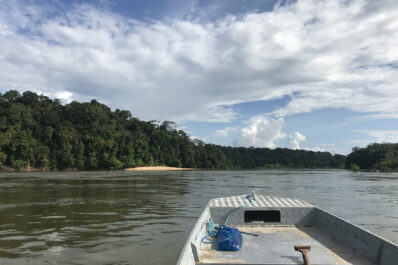
One of the most contentious questions in evolutionary biology is, how did the Amazon become so rich in species? A...
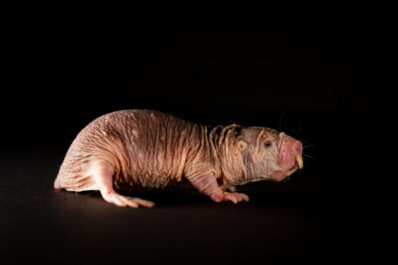
Naked mole-rats are full of surprises. The latest is that higher-ranked mole-rats most likely have an immunological advantage over animals...

University of Minnesota scientists are partnering with a global team to study the complex effects of climate change on winter...
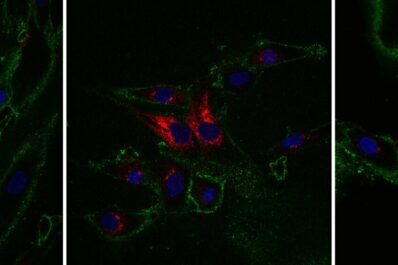
Research from the Babraham Institute has developed a method to “time jump” human skin cells by 30 years, turning back...

Ocean water samples collected around the world have yielded a treasure trove of new data about RNA viruses, expanding ecological...
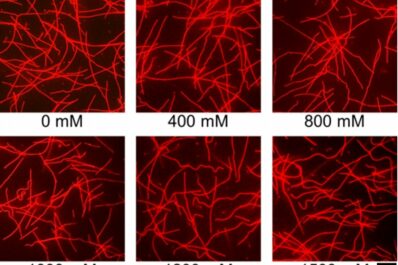
Kinesin and microtubules (MTs) are major components of cytoskeleton in cells of living organisms. Kinesin and microtubules together play crucial...

The Florida horse conch population—one of the world’s largest invertebrate animals—is shrinking. Established in 1969 as the Florida state shell...
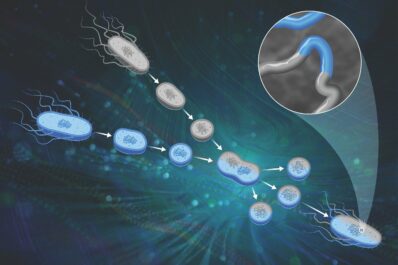
Oak Ridge National Laboratory scientists had a problem mapping the genomes of bacteria to better understand the origins of their...
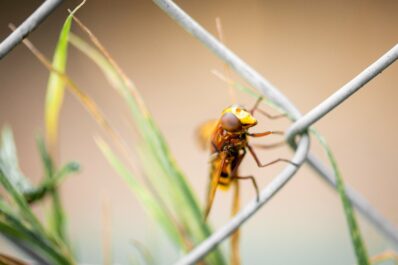
North Carolina State University researchers designed a textile “Plant Armor” that forces insects to navigate a maze-like path if they...
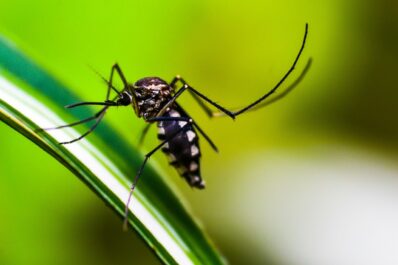
Scientists have solved a 100-year-old mystery about the evolutionary links between malaria parasites that infect humans and chimpanzees. They have...
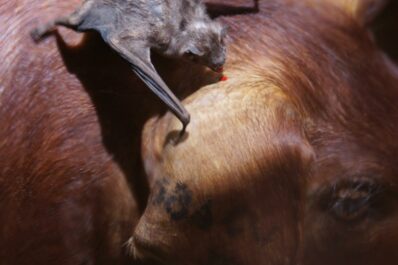
Social bonding between randomly assigned college roommates is not only a human phenomenon, a new study on vampire bats suggests....