
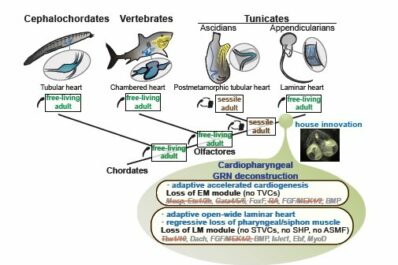
A paper in Nature proposes a new evolutionary scenario that helps to better understand the evolution of our phylum and...
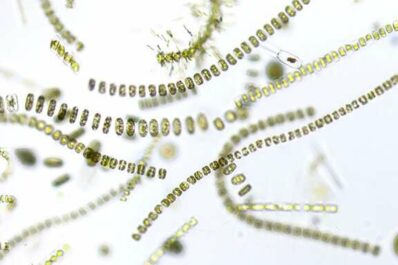
Tiny marine plants called phytoplankton are the foundation of most food webs in the ocean, and their productivity drives commercial...

Imagine being able to grow plants that could absorb even more CO2 from Earth’s atmosphere and thereby help solve the...

An unprecedented glimpse of the human embryo at an early stage of development has provided critical clues on how undifferentiated...
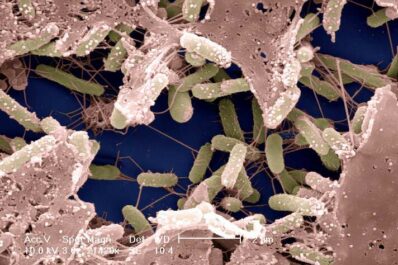
Scientists from the Quadram Institute at the Norwich Research Park have made an important discovery into the workings of bacterial...
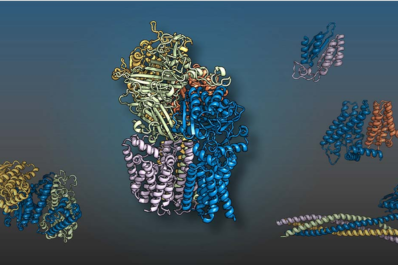
UT Southwestern and University of Washington researchers led an international team that used artificial intelligence (AI) and evolutionary analysis to...
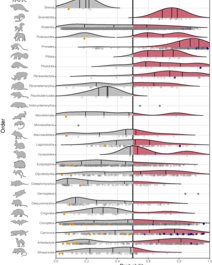
Back and forth transmission of SARS-CoV-2 between people and other mammals increases the risk of new variants and threatens efforts...

Human behavior drives the evolution of biological organisms in ways that can profoundly adversely impact human welfare. Understanding people’s incentives...
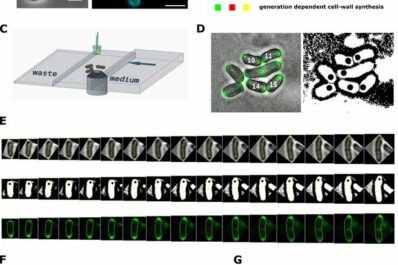
Bacteria as unicellular organisms reproduce by dividing their entire organism. In this way, they can multiply particularly quickly, which allows...
The largest terrestrial carbon sink on earth is the planet’s soil. One of the fears that many scientists have is...
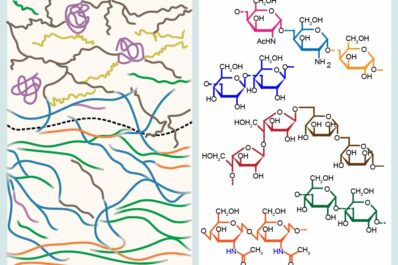
In a new study published in Nature Communications, Associate Professor Tuo Wang and his research team from the Department of...
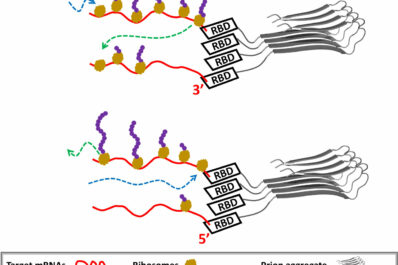
Prions get mostly bad press, but they may be the keys to controlling protein synthesis in cells. Prions, proteins that...

