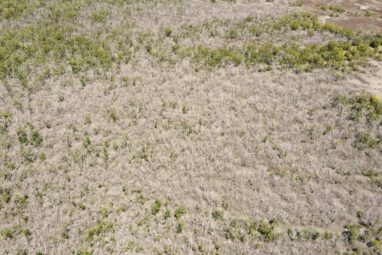
Over the summer of 2015, 40 million mangroves died of thirst. This vast die-off—the world’s largest ever recorded—killed off rich...
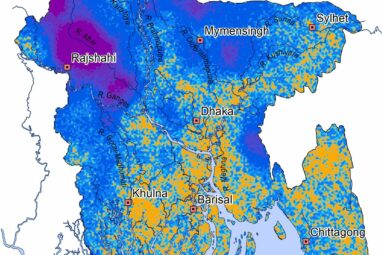
Collective groundwater pumping by millions of farmers in Bangladesh in the dry season each year has created vast natural reservoirs...

Dirty windows can harbor potentially harmful pollutants under protective films of fatty acids from cooking emissions—and these can hang around...

By analyzing unusual rock samples collected years ago in Antarctica, scientists at the University of California, Santa Cruz, have discovered...

Researchers have identified a new reason to protect mangrove forests: they’ve been quietly keeping carbon out of Earth’s atmosphere for...
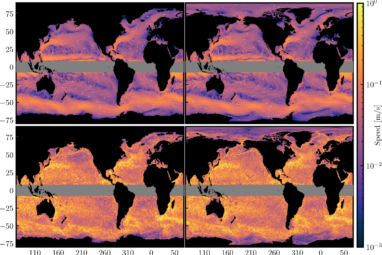
For the first time, University of Rochester researchers have quantified the energy of ocean currents larger than 1,000 kilometers. In...
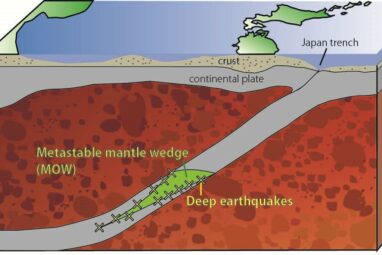
Earthquakes which occur at depths of several hundred kilometers in the mantle are called “deep-focus earthquakes”. Such earthquakes occasionally result...
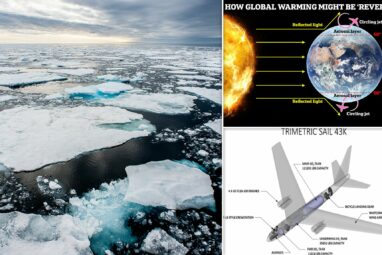
The poles are warming several times faster than the global average, causing record smashing heatwaves that were reported earlier this...
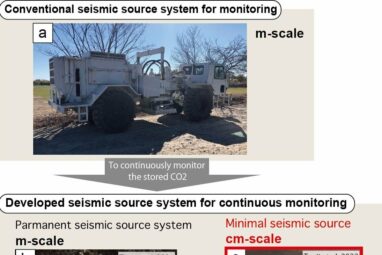
Underground carbon sequestration is a promising approach to fight climate change, yet there are major obstacles to overcome before this...
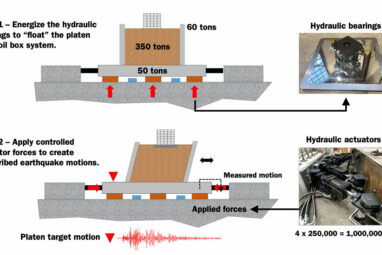
To make sure our buildings and infrastructure are earthquake-safe, we must understand how seismic activity affects different structures. Miniature models...
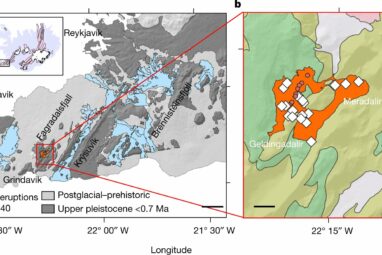
Recent findings from Iceland’s Fagradalsfjall eruptions change what we know about how volcanoes work
It isn’t every day that we learn something that fundamentally changes how we understand our world. But for UC Santa...

Molecular fossils and machine learning have enabled scientists to build the first charts of Antarctic ocean temperatures over the past...