For millions of years, nature has basically been getting by with just a few elements from the periodic table. Carbon,...
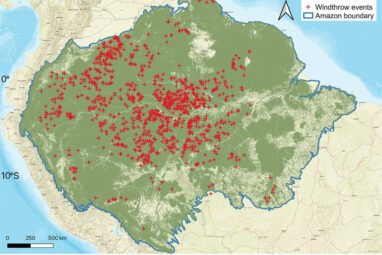
Tropical forests are crucial for sucking up carbon dioxide from the atmosphere. But they’re also subject to intense storms that...
Eating one freshwater fish caught in a river or lake in the United States is the equivalent of drinking a...

Yale researchers have a new theory to explain some of the geochemistry of “hotspots”—magma plumes from deep in the Earth...
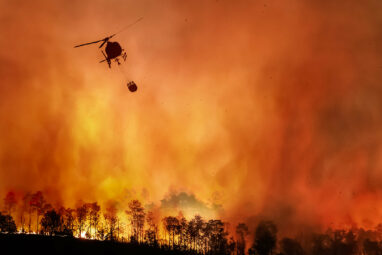
Over 80% of premature deaths caused by small smoke particles in the United States result directly from human-ignited fires. This...

One year ago, the Hunga Tonga-Hunga Ha’apai volcano erupted, causing widespread destruction to the Pacific Island Nation of Tonga, spewing...
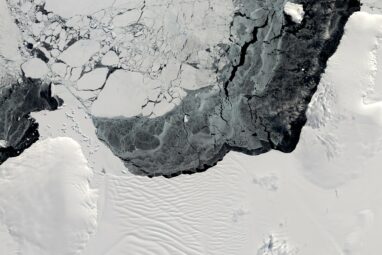
New research finds that ice-sheet-wide collapse in West Antarctica isn’t inevitable: the pace of ice loss varies according to regional...

Ultrafine particles form during combustion processes, for example, when wood or biomass is burned, as well as in power-generating and...

The world’s oceans, which have absorbed most of the excess heat caused by humanity’s carbon pollution, continued to see record-breaking...
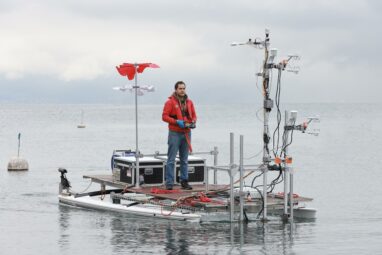
An EPFL researcher has, for the first time, documented slicks—those visually arresting, moving patches of smooth water—and explained what is...

A team of scientists, including those from Woods Hole Oceanographic Institution (WHOI), have combined stalagmites and climate model simulations to...

As you are reading this, more than 400 miles below you is a massive world of extreme temperatures and pressures...