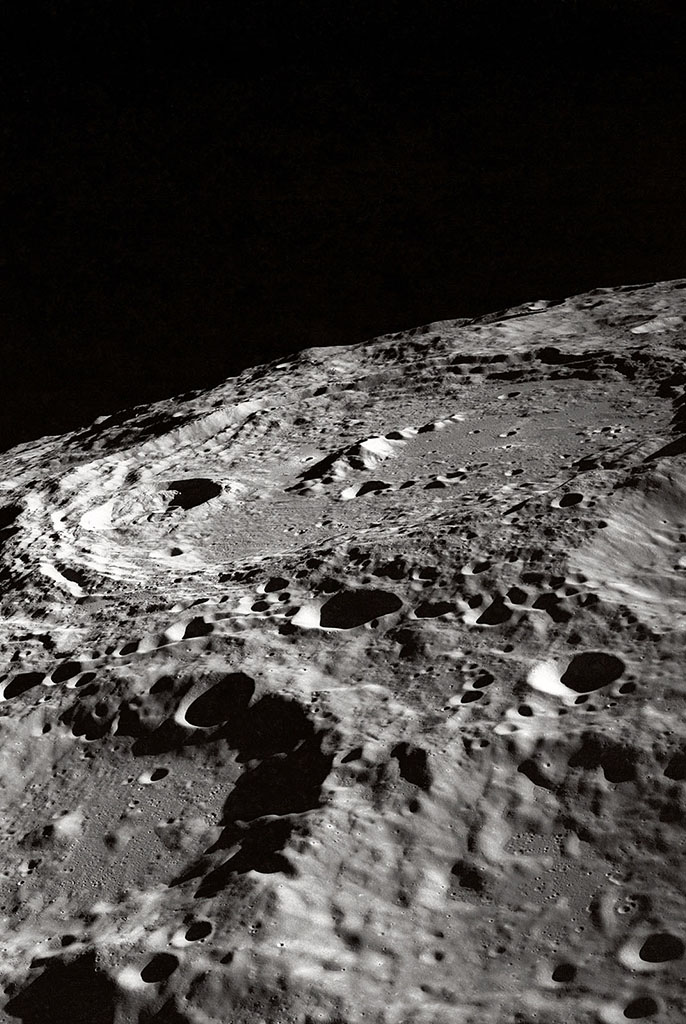

Humans and chimpanzees differ in only one percent of their DNA. Human accelerated regions (HARs) are parts of the genome...
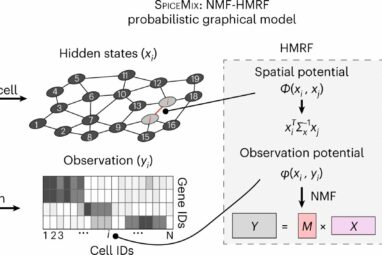
When genes are activated and expressed, they show patterns in cells that are similar in type and function across tissues...
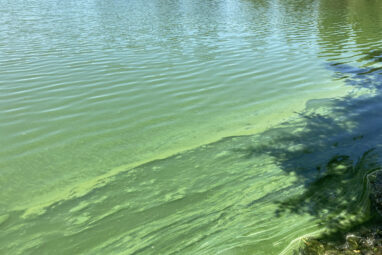
Harmful algal blooms create challenges around the globe for water quality and health risk management for humans, wildlife and pets....
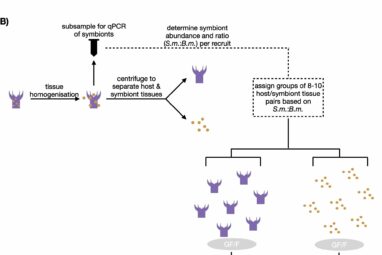
In human society, reward and punishment are introduced as an incentive to induce cooperation. However, some people still try to...
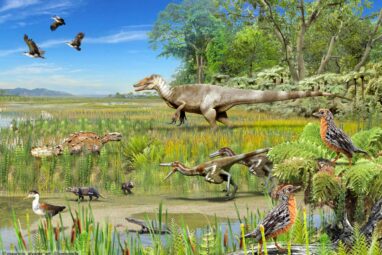
A study led by The University of Texas at Austin is providing a glimpse into dinosaur and bird diversity in...
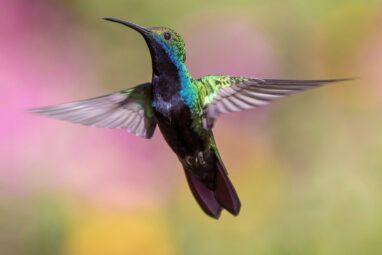
Hummingbirds, native to North and South America, are among the smallest and most agile birds in the world. Often barely...
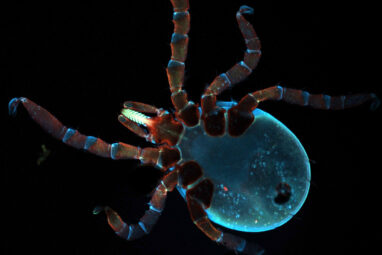
Discovery of cross-species signaling pathway unlocks mysteries around parasite immunity, development
Research led by a University of Maryland team has identified the first inter-species signaling pathway between an arthropod parasite and...
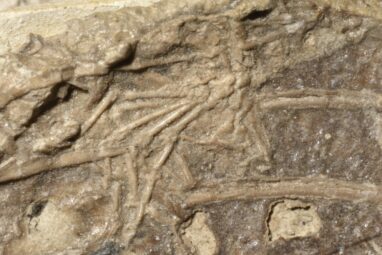
Scientists at the Australian Institute of Marine Science (AIMS) have found some fast-growing coral species on the Great Barrier Reef...
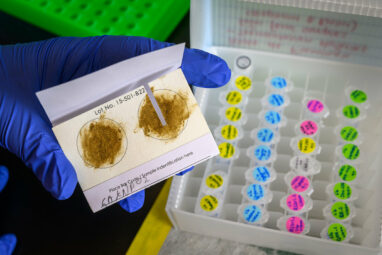
A new DNA-collection approach allows scientists to capture genetic information from wildlife without disturbing the animals or putting their own...
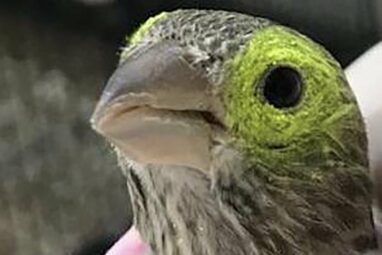
It’s “Treasure Island” author Robert Louis Stevenson who is credited with coining the phrase “You cannot make an omelet without...
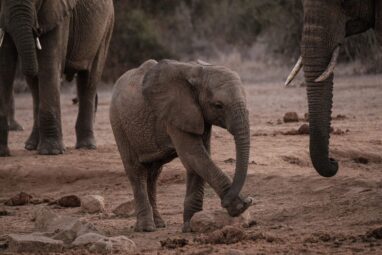
It’s a grim and all too common sight for rangers at some of Africa’s nature reserves: the bullet-riddled carcass of...
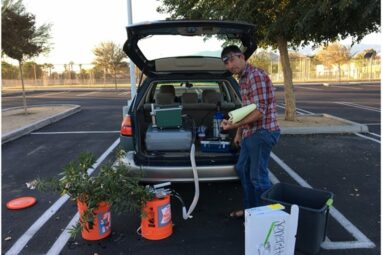
Despite recent, torrential rains, most of Southern California remains in a drought. Accordingly, many residents plant trees prized for drought...